

Our 9 Top Tips for Guy Fawkes with Pets
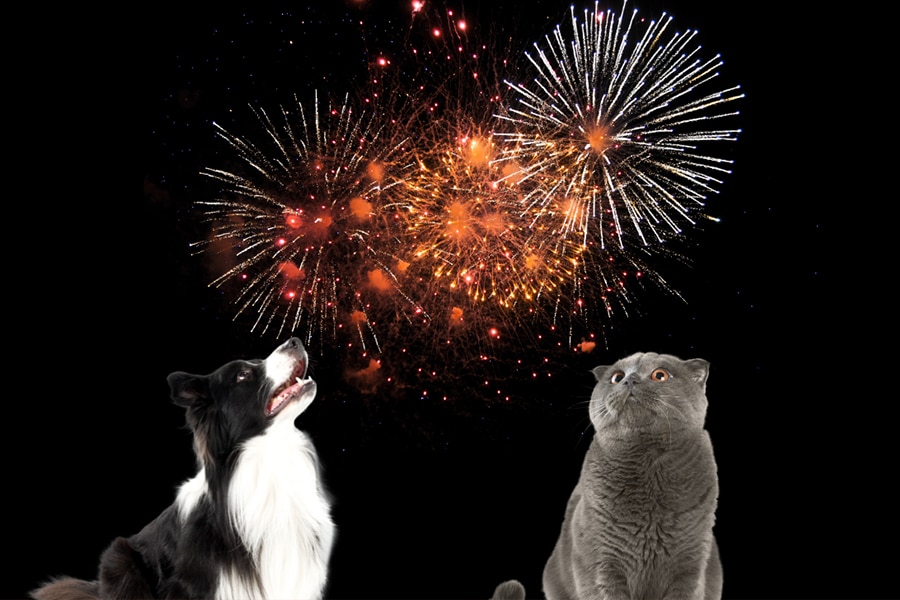
Although fireworks can be fun for us, they can be really distressing for some pets. Cats, dogs, and even livestock and horses can become distressed during firework season. Here’s our top tips on keeping your pets happy and healthy this Guy Fawkes.
1. Have a Night In
Stay home and keep your pets indoors during times of fire-works. Close all doors, windows and curtains to reduce noise and sounds from fireworks outside. Having you around may help your pet to relax (but be sure to pay attention to tip #5!)
2. Toilet times
Walking dogs before fireworks starts is not only a great way to get some energy out, but also to ensure they have had the opportunity to toilet before we lock down in our homes for the evening. Ensure cats have an inside litter tray available for the night.
3. Drown Out the Noise
Turn up the stereo or the TV to mask the sounds of fireworks. Does your pet have a favourite TV Show or song? Noise can help to cover up the sound of fireworks
4.Delicious Distractions
Get your pets attention on something else. Interactive food toys, dog chews, or playing a game of biscuit hide and seek can get your pet focused on something other than what’s happening outside.
5. Create a safe space
Create a space your pet can retreat to and hide if everything becomes a bit too scary, such as an igloo or den of blankets. Somewhere dark, and cozy that your pet can withdraw to if it all becomes too much. Leave your pet here to come out when they are ready.
6. Act Natural
Convince your pet that everything is calm. Don’t give your pet reason to be nervous by reacting to firework noises, pre-empting their anxiety or reassuring their anxiety. It can be hard, but avoid cuddling and comforting your pet when they are exhibiting signs of anxiety. This can encourage this behavior and make them feel like they actually have something to worry about! Stay calm and act natural, and show your pet that everything is O.K and there’s nothing to worry about.
7. Invest in assistance
You are not alone when it comes to pets experiencing anxiety. There is a huge range of available products designed to help pets in times of anxiety. Here are some of our favourites.
Adaptil is a product designed to reassure and comfort dogs using pheromones. Available in a spray, collar and plug-in diffuser to help dogs cope with stressful situations.
Feliway products are available for cats, which replicate a pheromone that cats leave naturally when they feel safe and secure in their environment. Feliway helps to reduce signs of stress in cats.
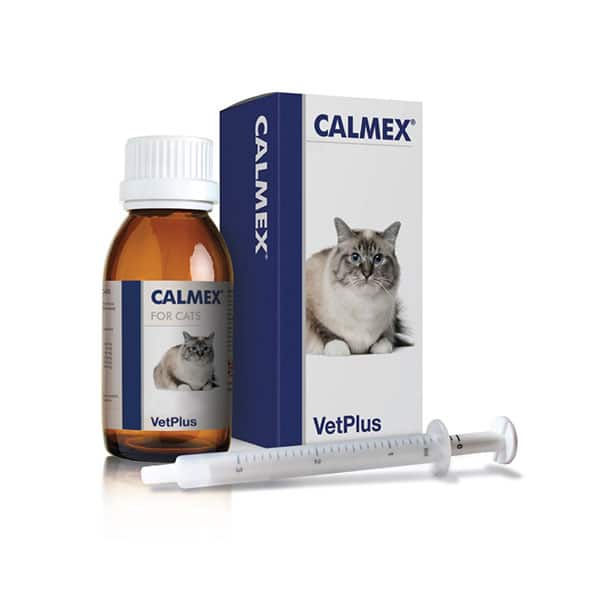
Calmex is a nutritional supplement, made with a blend of natural nutrients that help reduce anxiety in pets. It is available for cats, dogs and horses.
Pet remedy is a new and natural way of tackling cat anxiety and stress in all pets. The special Pet Remedy blend of essentials oils works alongside natural relaxation pathways to help calm the nerves of anxious or stressed pets.
Some pets may experience extreme anxiety during these times, and you may need to seek advice from your veterinarian.
8. Desensitize
This one takes some time, so it’s our top tip for next year. Work to desensitize your pup to the noise of fireworks by playing very quiet firework sounds in a calm environment. If your pet reacts then stop immediately and try again at a calm time with a quieter track. Gradually as your pup gets used to the noise, you can increase the volume and help your pup learn that the noise is nothing to be scared about. It’s important to do this gently and gradually, or you can do more harm than good. A dog trainer or behaviorist can help with techniques like these.
9.Terrified but traceable!
Some pets may become startled and disoriented during scary fireworks displays, and unfortunately they can easily become lost. Ensure microchips, and identification tags are up to date in case your pets becomes panicked and lost.
The team at Vet Post would like to wish you and your pets a safe and happy Guy Fawkes holiday.
Our Top Calming Product Picks
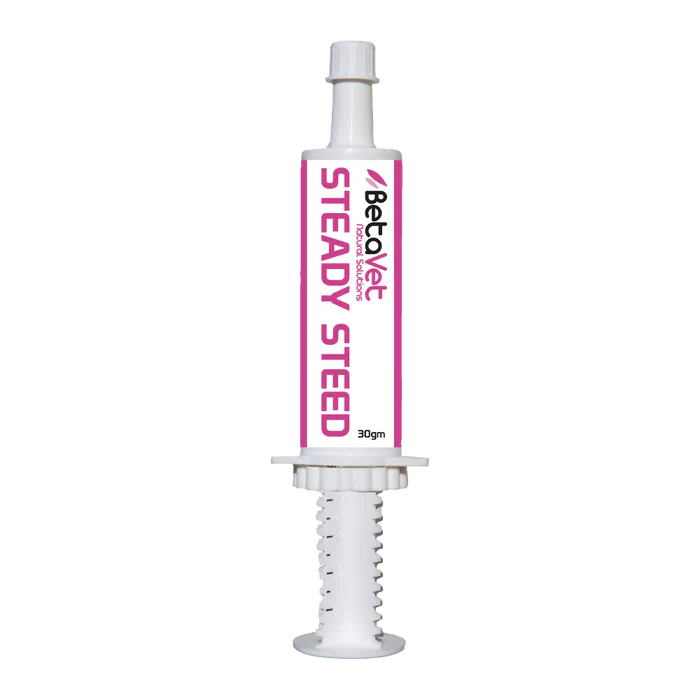
BetaVet Steady Steed (Kava Free) Paste 30g
$24.90 — available on autoship
Pet Remedy 15ml Spray
$16.50 — available on autoship
PAW Complete Calm Chews 300g
$39.50 — available on autoship
STILL HAVE QUESTIONS ON THIS TOPIC?
Dr Bec is happy to offer further advice and assitance, you can:
Call us on: 021 838 746 (Monday to Friday 9.00am to 4.00pm)
Email us at: [email protected]
For urgent and immediate assitance we recommend contacting you local vet.
Why shop online with us?

Discounted Prescription Medicine
VetPost offers easy & affordable pet medication for a happier, healthier pet.

New Zealand Owned & Operated since 2014
Guaranteed quality and service with VetPost, our vet Dr Rebecca Penman is always here to help.

Shop online, anytime.
Our products, services & specials are all at your fingertips. Buy online, delivered straight to your door.