











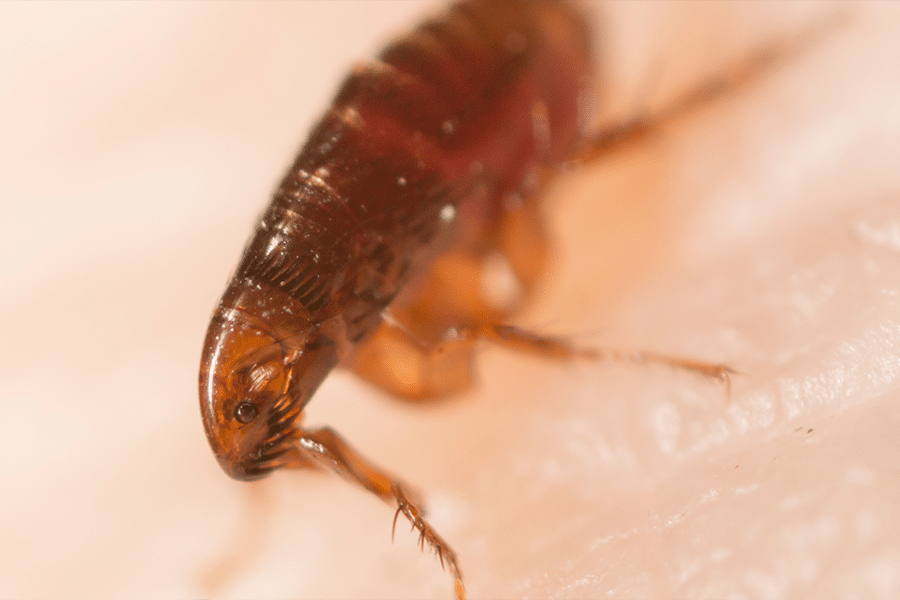
Fleas are often seen as a minor irritation. But in reality, fleas can pose serious health risks to both dogs and humans, and they are far more than just a seasonal nuisance.
In New Zealand’s climate, fleas can thrive all year round, especially inside heated homes, meaning the threat doesn’t disappear in winter.
Flea bites can lead to a range of problems, from allergic skin reactions to more serious conditions such as tapeworm infections and even bacterial diseases that affect people. In dogs, severe infestations can cause anaemia, ongoing skin irritation, and stress. In humans, flea bites may cause discomfort and, in rare cases, transmit disease.
This article explores the real health dangers fleas pose, how they survive in New Zealand homes, and why consistent, year-round protection is essential for your dog’s comfort and your household’s well-being.
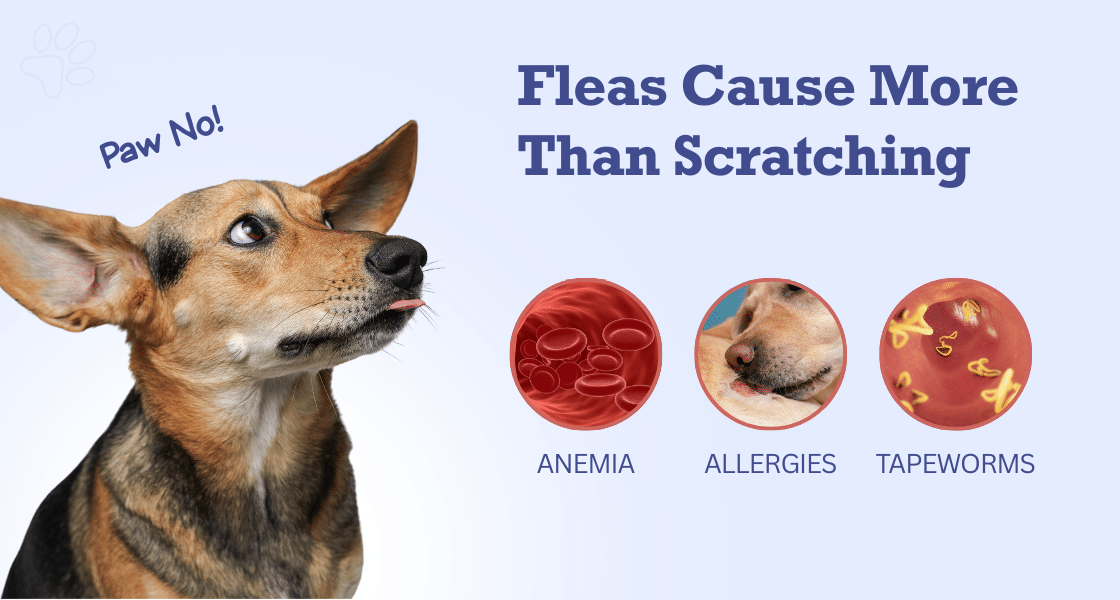 Fleas are not just an external nuisance. They can cause significant internal and systemic health problems for dogs if not controlled. From allergic skin reactions to parasite transmission, the impact of a flea infestation can be far more severe than many dog owners realise. Even a small number of fleas can trigger serious health issues, especially in vulnerable pets like puppies or older dogs.
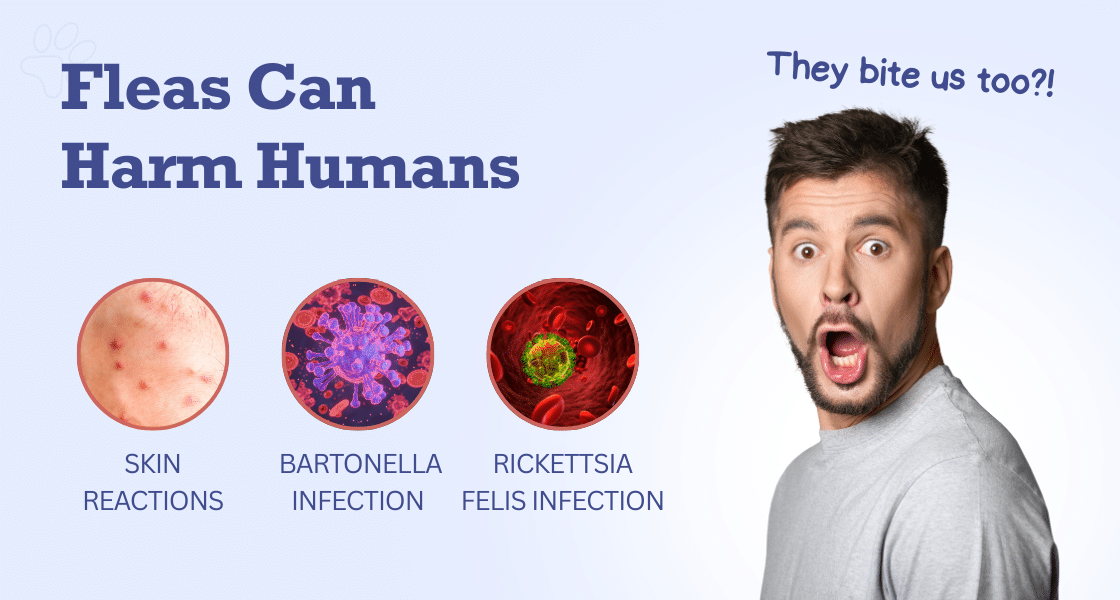 While fleas are primarily a concern for dogs and other pets, they can also affect people living in the same environment. Flea bites may seem like a minor irritation, but in some cases, they can trigger more serious health problems in humans. In homes with ongoing flea infestations, both pet owners and their families are at risk of bites, allergic reactions, and even exposure to flea-borne diseases.
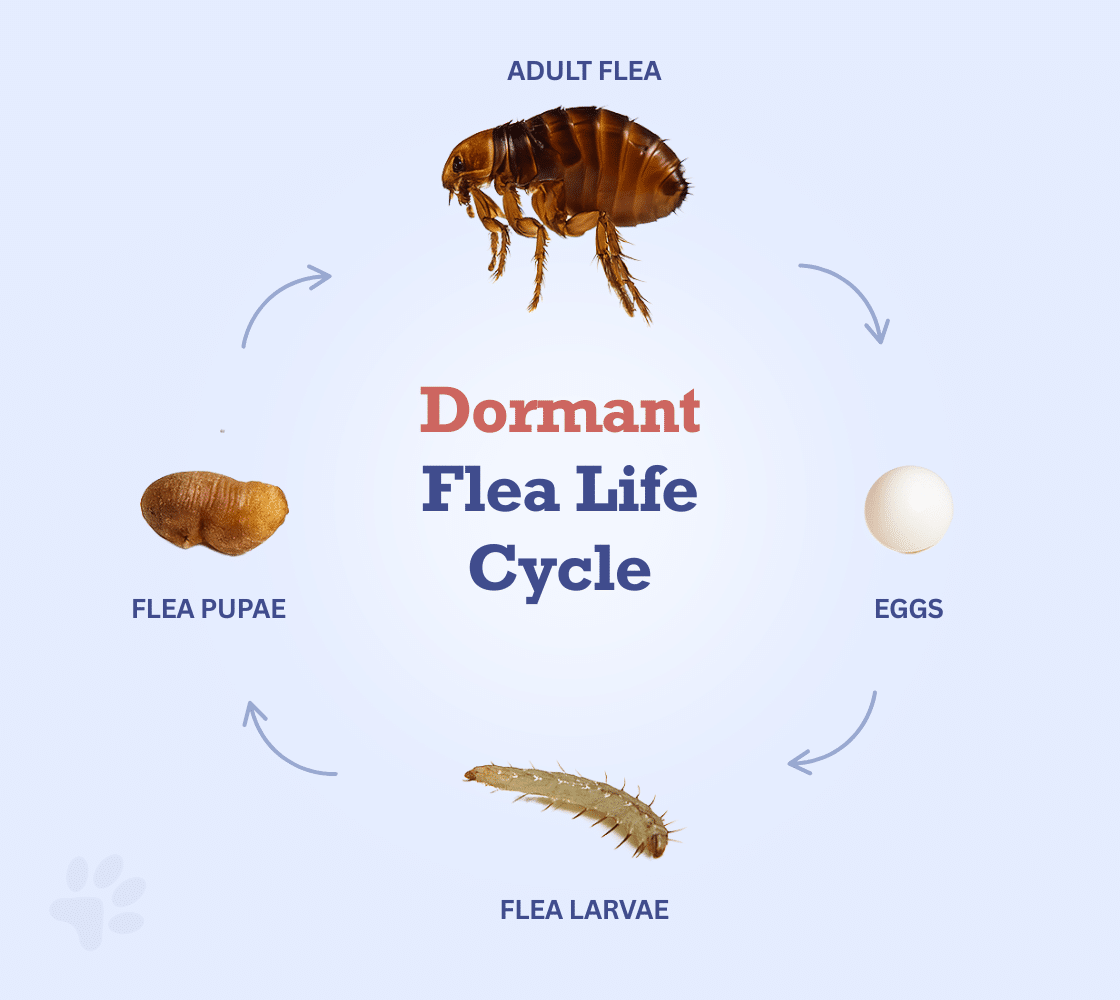 One of the most frustrating things for dog owners is believing that a flea problem has been resolved, only to find new fleas appearing weeks or even months later. This is not always due to a treatment failure. Instead, it often results from the dormant stages of the flea life cycle hiding quietly in your home.
Fleas Are More Than Just an Itch
For many New Zealand pet owners, fleas are often brushed off as nothing more than a warm-weather irritation. Unfortunately, this view overlooks the real health threats that fleas pose to both dogs and humans. While the itchiness is what most people notice first, flea infestations can lead to far more serious complications when left untreated.Misconception: Fleas Are Only a Mild Nuisance
It’s common to assume that fleas are a seasonal inconvenience that causes dogs to scratch more during the summer. As a result, some pet owners delay or skip treatments during cooler months, thinking the issue will resolve on its own. However, this mindset can have long-term consequences. Fleas are not just a discomfort. They are parasites that feed on blood, breed rapidly, and bring with them a host of health risks. Their small size and stealthy nature make them difficult to detect until the infestation is well established. By then, the fleas may already be affecting your dog’s skin, energy levels, and immune response and potentially causing discomfort for people in the home as well.Beyond the Itch: What Fleas Can Actually Do
Fleas can affect your dog in more ways than simple skin irritation. In young, elderly, or smaller dogs, even a moderate infestation can result in anaemia, a serious condition where blood loss from flea feeding causes pale gums, lethargy, and weakness. Dogs may also develop flea allergy dermatitis (FAD), a common allergic reaction to flea saliva that leads to intense itching, inflammation, hair loss, and skin infections. A single flea bite is enough to trigger this response in sensitive dogs, making prevention critical. But the risks don’t stop with pets. Humans can also suffer from flea bites, especially around the ankles or lower legs. These bites can be extremely itchy, may swell or develop into rashes, and in some cases lead to secondary skin infections.Flea-Related Health Risks for Dogs
Fleas are not just an external nuisance. They can cause significant internal and systemic health problems for dogs if not controlled. From allergic skin reactions to parasite transmission, the impact of a flea infestation can be far more severe than many dog owners realise. Even a small number of fleas can trigger serious health issues, especially in vulnerable pets like puppies or older dogs.
Flea Allergy Dermatitis (FAD)
Some dogs develop a heightened sensitivity to flea saliva, resulting in a condition known as flea allergy dermatitis (FAD). In these dogs, just one flea bite can cause an exaggerated allergic reaction. Symptoms include:- Severe itching and constant scratching or biting
- Red, inflamed skin
- Hair loss, especially around the base of the tail, flanks, or belly
- Open sores or scabbing from persistent irritation
Flea-Related Health Risks for Humans
While fleas are primarily a concern for dogs and other pets, they can also affect people living in the same environment. Flea bites may seem like a minor irritation, but in some cases, they can trigger more serious health problems in humans. In homes with ongoing flea infestations, both pet owners and their families are at risk of bites, allergic reactions, and even exposure to flea-borne diseases.
Flea Bites and Skin Reactions
Flea bites on humans typically appear as small, red, itchy welts, often found around the ankles and lower legs. These areas are particularly vulnerable because fleas tend to jump from carpets or pet bedding onto exposed skin. In sensitive individuals, flea bites can cause:- Intense itching or discomfort
- Swelling or rash-like reactions
- Allergic flare-ups, especially in people with eczema or sensitive skin
- Secondary skin infections from excessive scratching
Bartonella henselae (Cat-Scratch Fever)
Fleas are known carriers of Bartonella henselae, the bacterium responsible for cat-scratch fever. While cats are typically the primary hosts, the bacteria can spread through flea faeces and find their way to humans via broken skin or bites. In people, symptoms of Bartonella infection can include:- Swollen lymph nodes
- Fatigue or fever
- Headaches or general malaise
- Tenderness around scratch or bite marks
Rickettsia felis: A Flea-Borne Bacterial Infection
Another lesser-known flea-borne pathogen is Rickettsia felis, a bacterium that has been identified in flea populations in New Zealand. It is known to cause fleaborne spotted fever, a condition that presents with flu-like symptoms in humans. Signs of Rickettsia felis infection can include:- Fever
- Headaches
- Muscle pain
- Fatigue or chills
Seasonal Misconceptions and Flea Behaviour in New Zealand
Many pet owners in New Zealand treat fleas as a seasonal issue, assuming that once the summer ends, the flea threat fades. As a result, some stop treatments during autumn or winter, believing cooler temperatures naturally eliminate flea activity. However, this assumption can lead to unexpected infestations and long-term health risks for both dogs and humans.The Myth: “Flea Season Ends with Summer”
Flea numbers do tend to spike during late spring and summer when temperatures are warm and humidity levels are high, which supports fast breeding and development. This seasonal peak leads many to believe that fleas only exist during the warmer months. But in reality, fleas don’t vanish when summer ends. They simply shift their strategy.Why Fleas Continue Thriving Year-Round
New Zealand’s temperate climate means it rarely gets cold enough to disrupt the flea life cycle. For flea populations to die off naturally outdoors, sustained freezing temperatures below –1°C for several days are needed, something most populated areas of New Zealand rarely experience. Even in colder regions, fleas survive the winter by living on wildlife like possums and hedgehogs, which helps them persist until spring.Heated Homes Create Indoor Breeding Zones
As temperatures drop outside, our response is to heat the indoors. And that’s exactly what fleas need to continue reproducing. Warm carpets, pet bedding, and soft furnishings mimic the conditions of summer. Eggs and pupae already in the home can lie dormant in cracks and fibres for weeks or months. Once indoor heating is turned on and there’s movement nearby, these dormant flea stages become active again, leading to a sudden resurgence in flea activity. This is why dog owners often notice “new fleas” appearing in winter, despite thinking the problem had been resolved. These aren’t new infestations from outside. They’re delayed hatchings from fleas that have been lying in wait. Stopping flea treatments in winter allows these hidden stages to mature and restart the cycle. To truly keep your dog and home protected, it’s crucial to treat fleas consistently throughout the year, regardless of season.Dormant Flea Stages and Indoor Infestations
One of the most frustrating things for dog owners is believing that a flea problem has been resolved, only to find new fleas appearing weeks or even months later. This is not always due to a treatment failure. Instead, it often results from the dormant stages of the flea life cycle hiding quietly in your home.
How Flea Eggs and Pupae Survive Indoors
After adult fleas feed and reproduce, they lay eggs that fall off your dog and settle into the environment, especially in carpet fibres, floor cracks, furniture, and pet bedding. These eggs hatch into larvae, which eventually spin cocoons and enter the pupal stage. What makes this stage particularly difficult is that pupae can remain dormant for weeks or even months, waiting for the right conditions to emerge as adult fleas. These cocoons are sticky and can become deeply embedded in household materials, making them resistant to normal cleaning.What Triggers Dormant Fleas to Hatch
The flea pupae are designed to sense environmental changes, such as:- Increases in temperature (e.g., indoor heating)
- Vibrations from footsteps
- Rising humidity
- The presence of carbon dioxide from nearby animals or humans
Why Prevention Must Be Ongoing
This delayed hatching can create the false impression that flea treatments aren’t working. The treatment may have been effective, but new adult fleas are simply emerging from hidden pupae. These fleas will only die if your dog is still protected by a current, vet-approved treatment. The new fleas can restart the infestation cycle if the protection has worn off or lapsed. To avoid this problem:- Keep treatments up to date all year
- Maintain indoor hygiene (regular vacuuming and washing of bedding)
- Combine pet treatment with environmental control when necessary.
Rapid and Resilient Life Cycle
One of the biggest challenges with flea control is their incredibly fast and adaptable life cycle. In the right conditions, fleas can multiply rapidly and become difficult to eliminate without consistent, long-term prevention. This is why even a small lapse in treatment can lead to a full-blown infestation in a surprisingly short amount of time.How Quickly Fleas Reproduce
Under ideal warm and humid conditions, fleas can complete their entire life cycle from egg to adult in as little as 2 to 3 weeks. One female flea can lay up to 50 eggs per day, meaning that a small number of adult fleas can quickly lead to hundreds of eggs scattered around your home in a matter of days. This rapid development is why infestations often seem to appear suddenly. By the time adult fleas are visible on your dog, several generations may already be developing invisibly in the environment like carpets, rugs, bedding, and furniture.Dormancy Causes Delayed Flea Emergence
When temperatures are cooler or conditions are less favourable, flea larvae and pupae can enter a dormant state, slowing their development. These stages may remain hidden for weeks or even months, waiting for the right triggers, like warmth, vibration, or humidity, to hatch. This dormancy leads to a common misconception: Owners think their flea treatment isn’t working when fleas reappear weeks after the initial treatment. In reality, the treatment may have killed the active adult fleas, but dormant pupae were unaffected and are only just emerging.Why This Makes Prevention So Important
Because of this resilient life cycle, ongoing flea prevention is crucial. Treatments that only target adult fleas won’t solve the problem if immature stages are still developing in the environment. However, when your dog is consistently protected, any fleas that emerge and try to feed will die quickly, breaking the cycle before they can lay more eggs. By staying ahead of this fast-moving and persistent parasite, you protect your dog from discomfort and disease and prevent your home from becoming a breeding ground. Continuous treatment is the only way to stay one step ahead of the flea’s rapid and resilient life cycle.Wildlife Hosts and Outdoor Persistence
While many dog owners focus their flea control efforts indoors, it’s important to remember that the outdoors can serve as a constant source of reinfestation. Fleas are highly adaptable and can survive in New Zealand’s outdoor environment far longer than many realise, particularly with the help of wildlife.NZ Winters Are Not Cold Enough to Eradicate Fleas Outdoors
A common assumption is that winter naturally reduces flea populations. However, in most of New Zealand, the temperatures do not drop low enough, or stay cold long enough, to break the flea life cycle outdoors. According to experts, sustained temperatures of 1°C or lower for at least five consecutive days are needed to kill off flea stages in the environment. These conditions are rare across the country, especially in coastal and urban areas. Even in colder regions, fleas continue to survive with the help of outdoor hosts and sheltered breeding spots.Wildlife as Flea Carriers
Wild animals play a significant role in the persistence of fleas in outdoor areas. In both rural and suburban New Zealand, possums, hedgehogs, rabbits, and stray cats serve as ongoing flea hosts. These animals often take shelter under decks, in garden sheds, or around compost heaps, areas that are also accessible to dogs and cats. As a result, even well-treated pets can pick up fleas simply by spending time in their own backyard. In the South Island, where winters can be harsher, wildlife hosts help fleas survive the colder months. In the North Island, where the climate is milder year-round, fleas are able to breed continuously in the outdoor environment (ResearchGate.net).Outdoor Prevention Matters
To reduce the risk of reinfestation from outdoor sources:- Discourage wildlife from entering your property by sealing off access to crawl spaces, under decks, and sheds.
- Avoid feeding stray animals near your home, as this may attract flea-carrying visitors.
- Maintain your yard by mowing grass, clearing leaf litter, and reducing shaded, humid zones where fleas may thrive.
- In problem areas, use pet-safe outdoor insecticides to treat kennels, resting areas, and other flea-prone spots.
Why Consistent, Year-Round Prevention Is Vital
When flea activity seems to fade, it’s tempting to pause treatments, especially during the cooler months. But doing so creates a window of opportunity for fleas to resurface and spread. Even if you don’t see fleas, they’re often still present in your home or outdoor spaces in immature, hidden stages. That’s why consistent, year-round prevention is essential.Winter Breaks Give Fleas a Head Start
Many pet owners mistakenly stop flea treatment in winter, assuming cooler weather puts a stop to flea activity. However, this creates the perfect opening for dormant pupae and eggs to hatch and re-establish an infestation once the environment warms up. Heated homes and the return of spring temperatures provide ideal conditions for these fleas to reactivate. Without continued protection, your dog becomes vulnerable, and the flea cycle can start again from just a few emerging fleas.Fleas Are Still Present, Even If You Don’t See Them
Flea infestations don’t always show obvious signs, especially in their early stages. Eggs, larvae, and pupae often remain hidden in carpets, furniture, and bedding, waiting silently for the right moment to mature. When adult fleas are visible, multiple generations may already be in development. This delayed emergence is often mistaken for treatment failure, when in fact, it’s a sign that ongoing protection is needed to kill newly emerging fleas before they reproduce.Consistent Prevention Protects the Whole Household
Regular, vet-recommended flea treatments not only keep your dog itch-free, they also help prevent:- Tapeworm transmission from fleas (Dipylidium caninum)
- Skin infections and allergic reactions from flea bites
- Disease spread, such as Rickettsia felis and Bartonella henselae (linked to cat-scratch fever in humans) (PubMed.ncbi.nlm.nih.gov)
Prevention Is Easier Than Cure
Treating an active flea infestation can be time-consuming and stressful. It involves:- Treatment for all pets in the household. Flea control won’t be effective unless all pets in the household are treated, not just the one showing symptoms. Even indoor cats or untreated pets can carry fleas and cause reinfestation, making consistent treatment across all animals essential.
- Environmental sprays or foggers help eliminate fleas at all life stages in the home by targeting areas where eggs, larvae, and pupae hide, such as carpets, furniture, and pet bedding.
- Repeated cleaning of pet bedding, carpets, and furniture is essential for removing flea eggs and larvae from the environment and preventing reinfestation during and after treatment.
- In severe or persistent infestations, professional pest control may be necessary to fully eliminate fleas from the home and surrounding areas, using targeted, pet-safe treatments.
Year-Round Protection Is a Must for Flea-Free Living
Year-round vigilance isn’t just good advice, it’s the smartest way to ensure your dog’s health and your household’s peace of mind. Fleas are more than just a seasonal nuisance. They are a year-round health threat to both dogs and humans in New Zealand. While many pet owners think flea problems only arise during summer, the truth is that New Zealand’s mild climate and warm indoor environments allow fleas to thrive in every season. From skin allergies and anaemia in pets to tapeworm infections and disease transmission in humans, the risks of flea infestations are real and often underestimated. What makes fleas particularly challenging is their ability to reproduce quickly and remain dormant for long periods, only to re-emerge when conditions become favourable. This means that even during cooler months, flea eggs and pupae can be quietly waiting in your home, ready to restart the cycle when treatments lapse. By understanding the flea life cycle, recognising the role of wildlife and environmental factors, and staying committed to consistent, vet-recommended prevention, dog owners can protect not just their pet, but their entire household. The key is to stay one step ahead with proactive, year-round flea control that never skips a season. For lasting peace of mind and a healthier home, make flea prevention a routine part of your dog’s care every month of the year.
Nexgard Spectra 15.1-30kg Single
$23.99 — available on autoship from $23.27 / week
Advantage Spot-On Medium Dogs (4-10kg) 4 Pack
Original price was: $54.62.$43.70Current price is: $43.70. — available on autoship from Original price was: $54.62.$43.70Current price is: $43.70. / week
Simparica TRIO X-Large 40.1-60kg 3 Pack
$54.28 — available on autoship from $52.65 / week