









Sale!
Free shipping on North Island orders over $89!* Rural & bulk exclusions apply.

Shop By Category Dog
Shop By Category Cat
Shop By Category Horse
Shop By Ailment Horse


Showing all 12 resultsSorted by latest
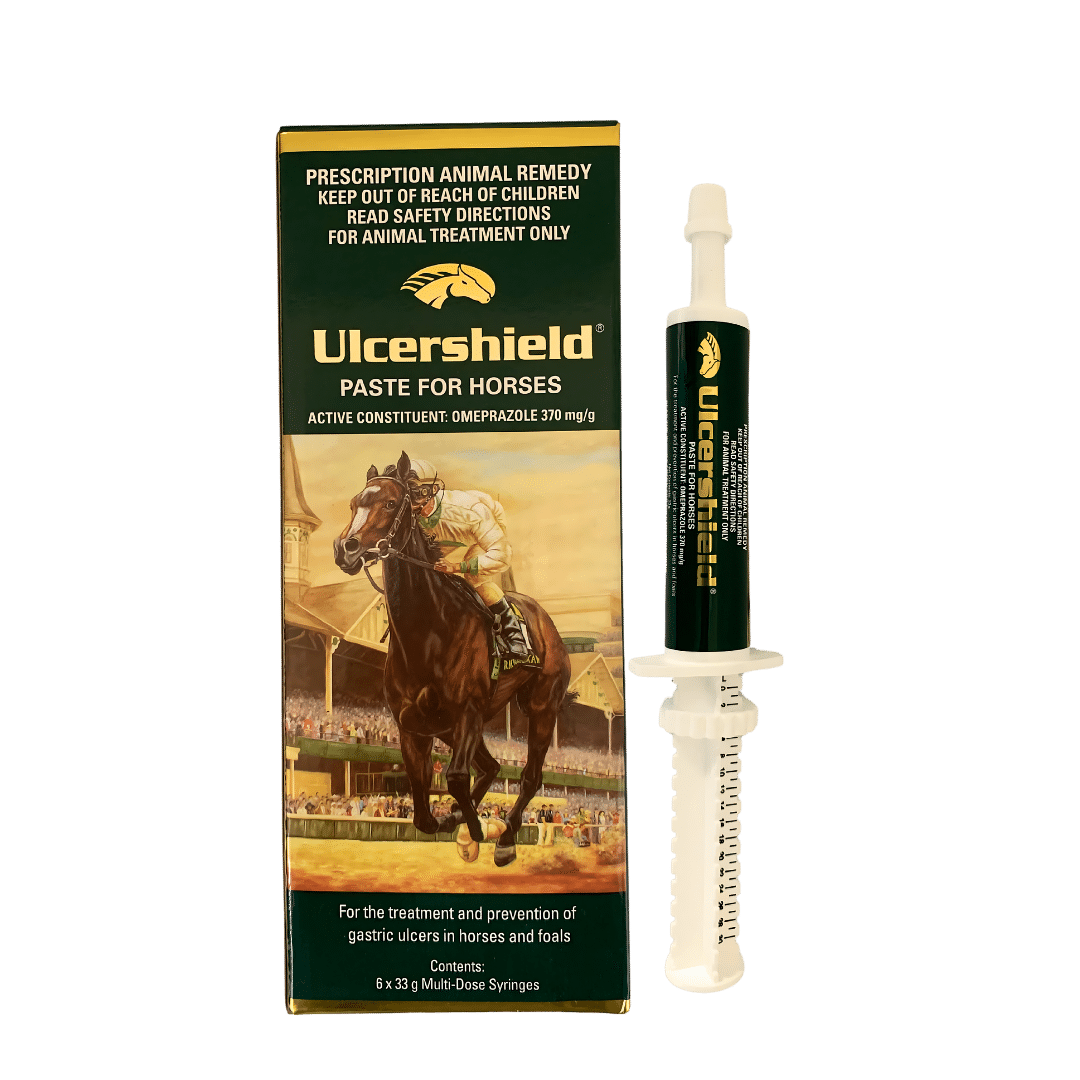

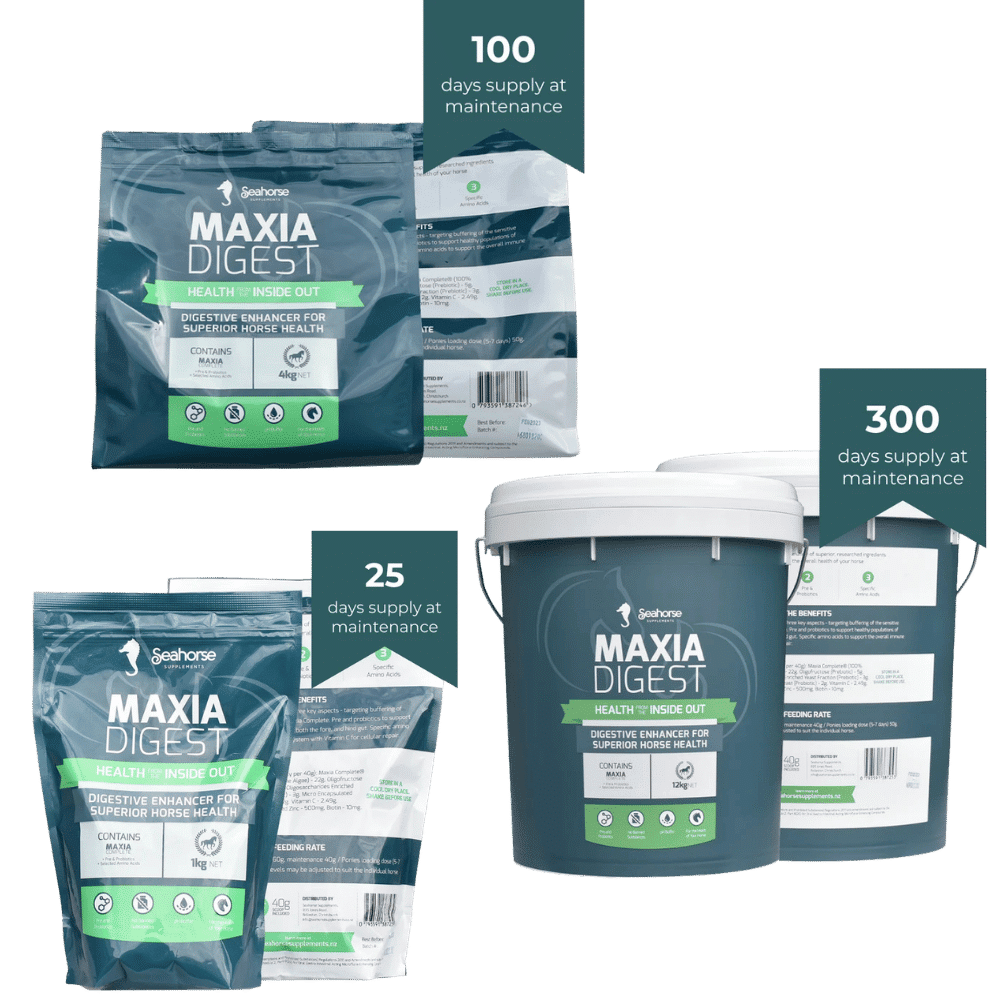


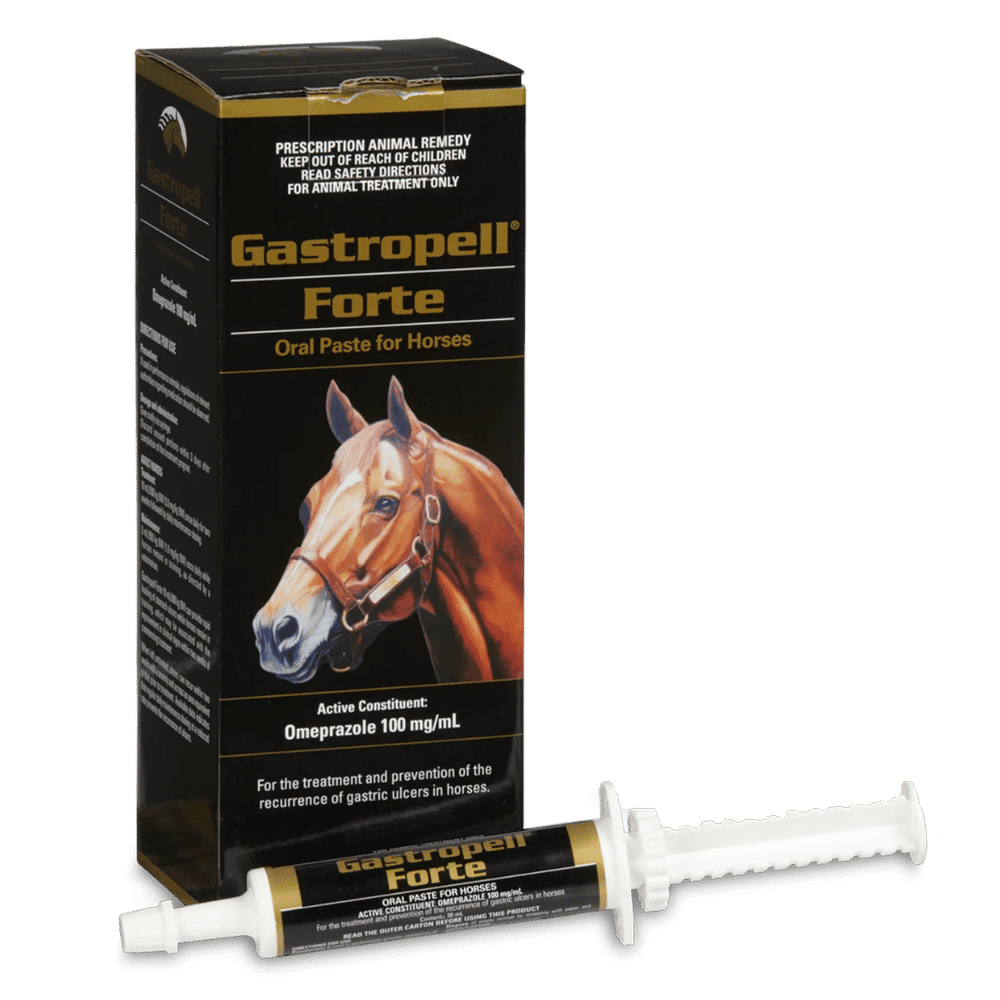
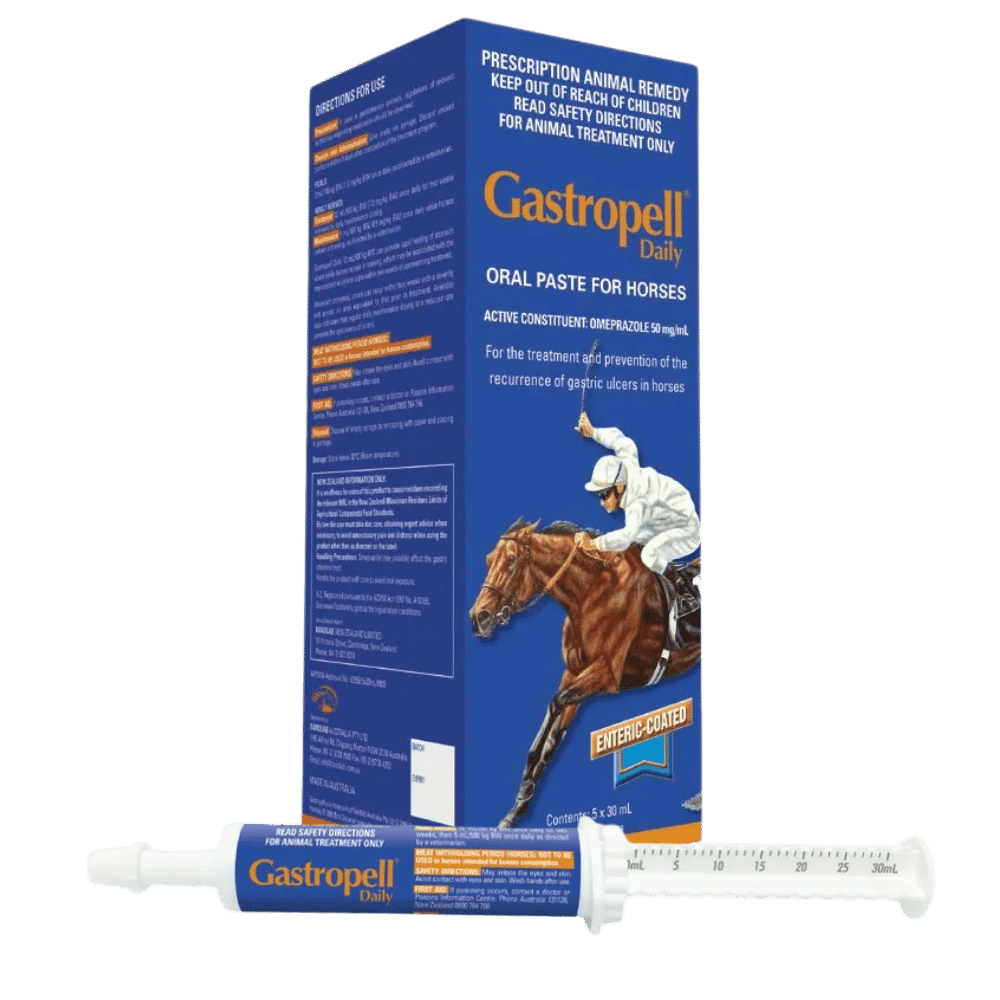
Equine squamous gastric ulcers (EGUS) are a common condition, particularly in performance horses or those on restricted grazing routines. Studies show that up to 90% of horses in work are affected. Squamous ulcers specifically impact the upper, non-glandular part of the stomach and are often linked to modern management practices – extended fasting periods, high-grain diets, stress from transport or training, and limited forage access.
The equine stomach produces gastric acid continuously. Without sufficient fibre to buffer this acid, especially during fasting or stressful periods, the acid splashes up and damages the squamous lining. Unlike glandular ulcers – which occur in the lower, acid-secreting region – squamous ulcers are more predictable, both in cause and treatment.
While some horse owners begin treatment based on observed symptoms (girthiness, poor appetite, behaviour changes, or reluctance under saddle), gastroscopy remains the only definitive diagnostic method. Scoping allows for precise identification of the ulcer location, grading of severity, and targeted treatment. This is especially important to distinguish squamous from glandular ulcers, as the latter requires different management.
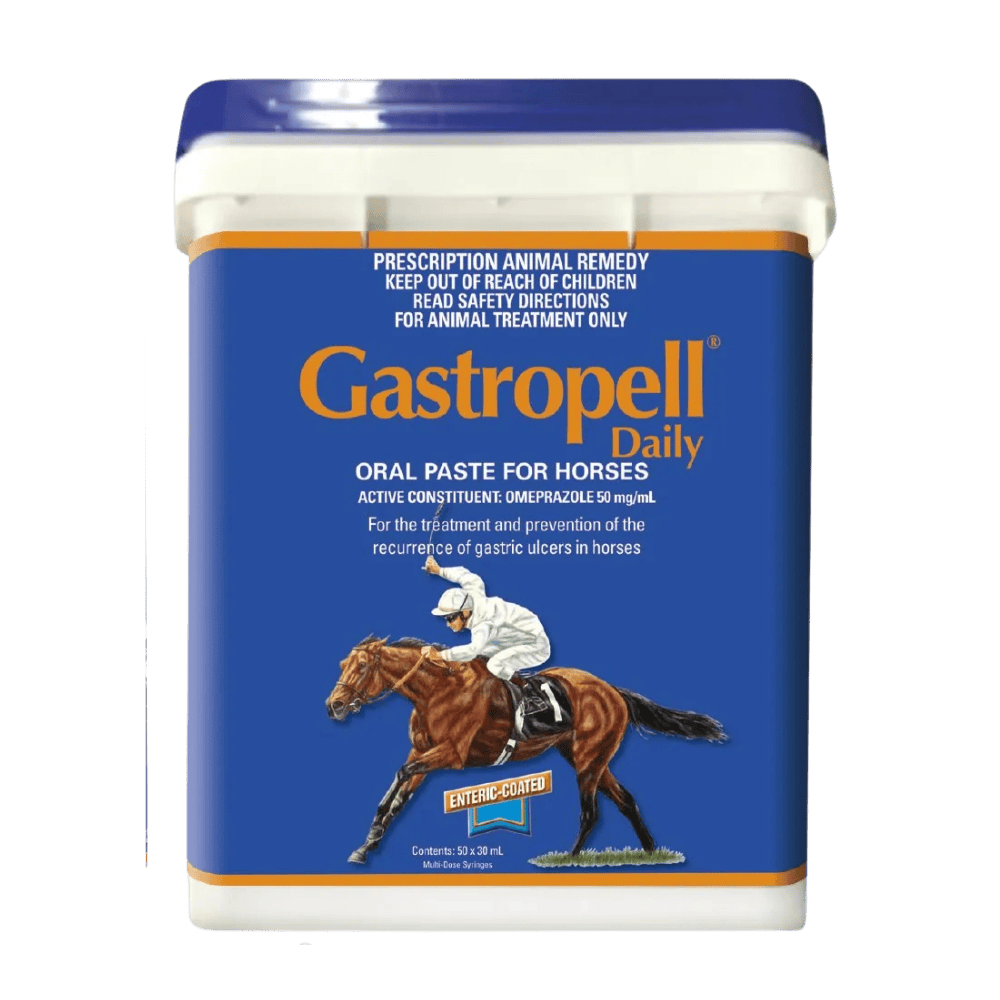
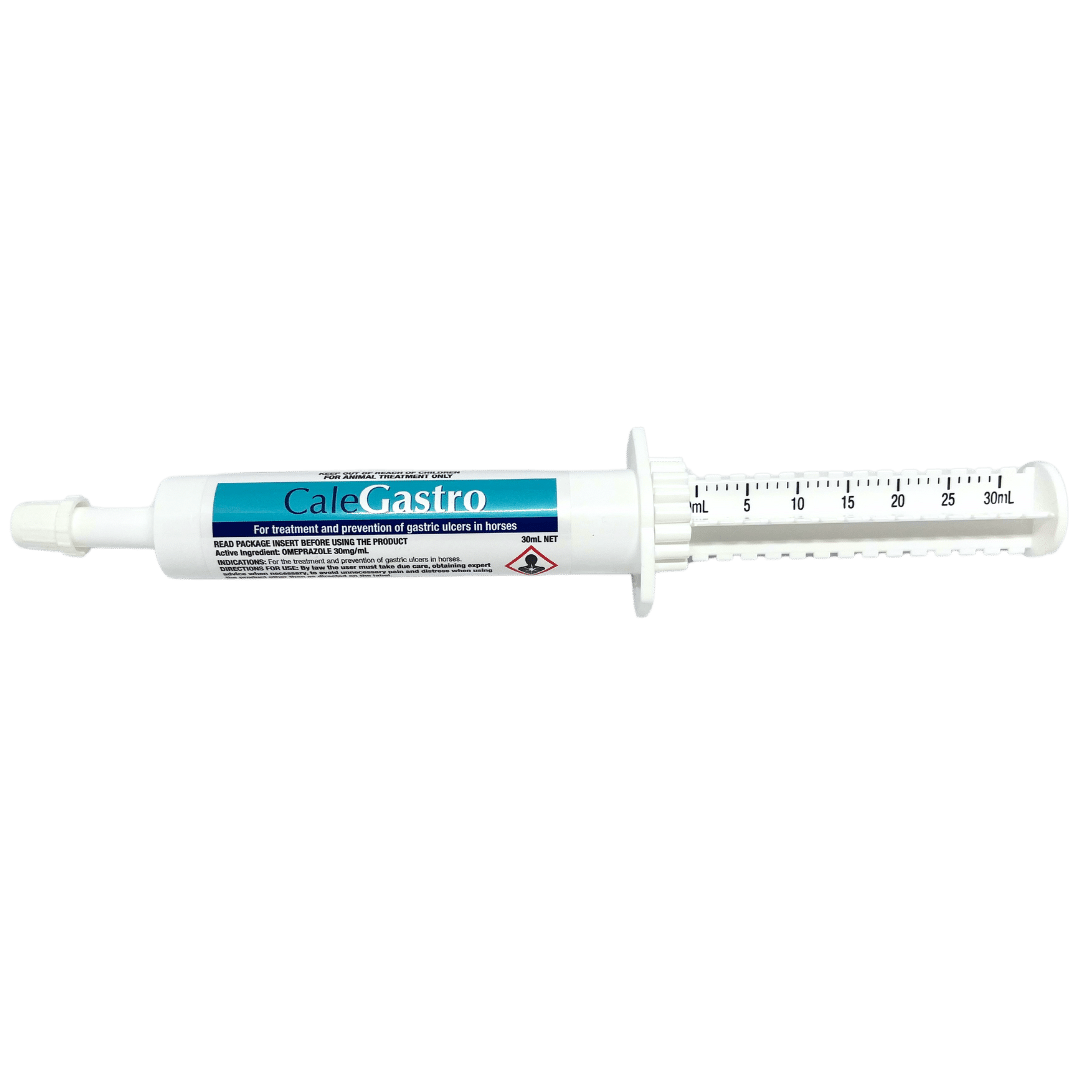
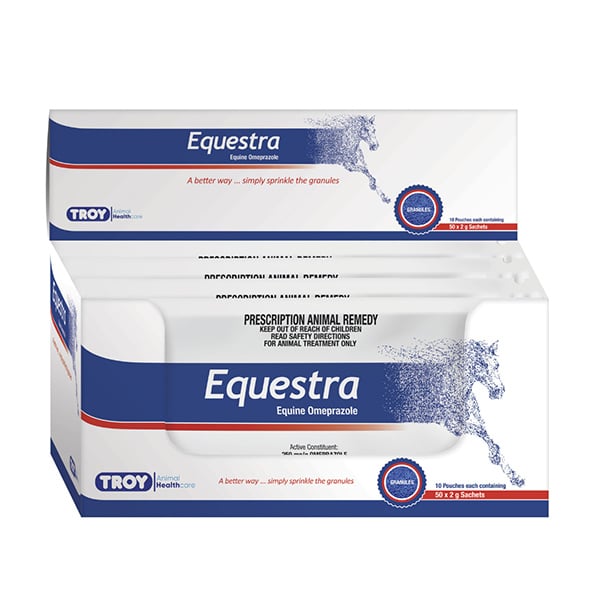
For confirmed squamous ulcers, the gold standard treatment is omeprazole, a proton pump inhibitor that significantly reduces gastric acid production. Veterinary-grade, prescription-only omeprazole (e.g., Gastropell Forte and Ulcershield) delivers high bioavailability and consistency, which is critical for effective healing. Over-the-counter omeprazole products (like Gastropell Daily, Cale Gastro, and Equestra) are also available, particularly for horses with mild symptoms or a history of ulcer recurrence.
Important note: These OTC products vary in dosage and formulation. For treatment-grade results, veterinary consultation is recommended.
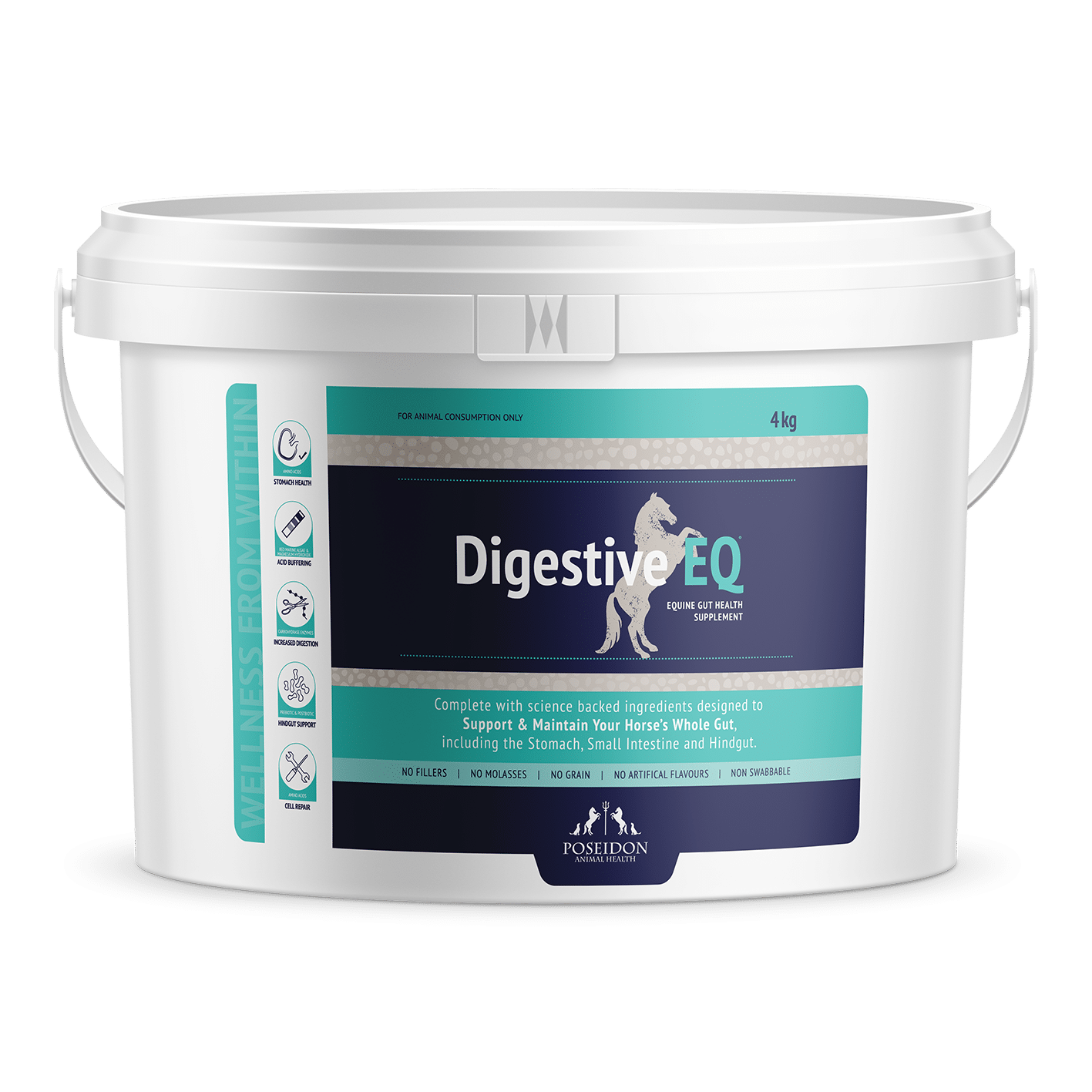
Supportive supplements, such as gastric buffers, lecithin/pectin complexes, or pre/probiotic blends, can help protect the stomach lining and reduce recurrence. However, they are not a substitute for omeprazole during active ulceration. Products like KER Neigh-Lox, Digestive EQ and Maxia Digest can be helpful in a maintenance setting or as part of a preventive routine.
How long is treatment for squamous ulcers?
A 21–28 day course of omeprazole is usually effective for mild ulcers. Follow-up scoping is ideal to confirm healing.
Do I always need to scope?
For a definitive diagnosis – yes. While symptom-based treatment is common, scoping remains best practice, especially if symptoms persist or worsen.
Can ulcers heal without medication?
Rarely. Squamous ulcers need acid suppression via omeprazole. Without this, natural healing is slow or incomplete.
Should I stop competing or riding?
Not necessarily. Moderate work is often fine, but reduce stress, avoid fasting, and monitor response to treatment.
Are over-the-counter omeprazole products effective?
They can help, especially for prevention or mild cases. However, prescription omeprazole offers the highest bioavailability for confirmed ulcer treatment. Find out more about purchasing your horse’s prescription medication online at our veterinary pharmacy.
At Vetpost, we stock both prescription and over-the-counter omeprazole treatments, plus targeted supplements to support gut health. NZ-wide shipping ensures your horse gets what they need, when they need it.

When you spend over $89 (orders over 4kg and rural have shipping costs)

Never run out again

With our vet, Dr Becs

Easy & secure transactions, AfterPay and POLiPay

Vetpost offers an easy & affordable pet pharmacy for a happier, healthier pet.

Guaranteed quality and service with Vetpost, our vet Dr Rebecca Walker is always here to help.

Our products, services & specials are all at your fingertips. Buy online, delivered straight to your door.
Log in and add a pet to get tailored results Log in ›