











Fleas are more than just a seasonal nuisance. They’re a persistent problem for dog owners across New Zealand. While many people assume flea control is only needed during warmer months, the reality is that fleas can survive and breed throughout the year, especially in the comfort of our homes.
In fact, New Zealand veterinarians continue to see cases of flea infestations even in winter, largely due to inconsistent prevention practices by pet owners.
This article explores why year-round flea prevention is essential in New Zealand’s climate and outlines practical, vet-approved strategies to help dog owners keep fleas under control.
Whether you live in Auckland, Christchurch, or a rural part of the country, these tips will help you protect your pet, your home, and your peace of mind all year long.
 New Zealand doesn’t experience the extreme cold snaps needed to interrupt the flea life cycle. Fleas require warmth and humidity to thrive, and while outdoor temperatures may drop during winter, our heated homes provide the perfect environment for fleas to remain active.
This allows fleas to continue breeding indoors long after the warmer seasons have passed. Even in cooler regions like the South Island, fleas can survive by staying close to indoor heat sources and hiding in carpets, furniture, and pet bedding.
Without continuous prevention, these hidden fleas can reinfest your dog and home as soon as conditions become favourable again.
New Zealand doesn’t experience the extreme cold snaps needed to interrupt the flea life cycle. Fleas require warmth and humidity to thrive, and while outdoor temperatures may drop during winter, our heated homes provide the perfect environment for fleas to remain active.
This allows fleas to continue breeding indoors long after the warmer seasons have passed. Even in cooler regions like the South Island, fleas can survive by staying close to indoor heat sources and hiding in carpets, furniture, and pet bedding.
Without continuous prevention, these hidden fleas can reinfest your dog and home as soon as conditions become favourable again.
 For flea prevention to be effective, it must be applied consistently to every pet in your household not just the one showing symptoms. This includes dogs, cats, and even indoor-only pets that seem unlikely to be exposed.
Skipping just one animal can allow fleas to survive, multiply, and re-infest your home, making your efforts far less effective.
For flea prevention to be effective, it must be applied consistently to every pet in your household not just the one showing symptoms. This includes dogs, cats, and even indoor-only pets that seem unlikely to be exposed.
Skipping just one animal can allow fleas to survive, multiply, and re-infest your home, making your efforts far less effective.
 Even if you’re treating your dog regularly with vet-approved flea products, it’s just as important to address what’s happening in your home. Fleas don’t live solely on pets. Much of their life cycle takes place in your dog’s environment.
After feeding, adult fleas lay eggs that fall off your pet and settle into carpets, rugs, pet bedding, furniture, and floor crevices. These eggs hatch into larvae, which develop into pupae that can remain dormant for weeks until conditions are right to emerge as adult fleas.
To successfully keep fleas under control, you must tackle these hidden stages through consistent cleaning and environmental management.
Even if you’re treating your dog regularly with vet-approved flea products, it’s just as important to address what’s happening in your home. Fleas don’t live solely on pets. Much of their life cycle takes place in your dog’s environment.
After feeding, adult fleas lay eggs that fall off your pet and settle into carpets, rugs, pet bedding, furniture, and floor crevices. These eggs hatch into larvae, which develop into pupae that can remain dormant for weeks until conditions are right to emerge as adult fleas.
To successfully keep fleas under control, you must tackle these hidden stages through consistent cleaning and environmental management.
Why Year-Round Flea Prevention Matters in New Zealand
Flea infestations are not just a summer concern. Our relatively mild and temperate climate allows fleas to survive and breed across all seasons. Many pet owners mistakenly believe they only need to worry about fleas in the warmer months, but this assumption often leads to recurring infestations and unnecessary discomfort for pets.Fleas Thrive in New Zealand’s Mild Climate
New Zealand doesn’t experience the extreme cold snaps needed to interrupt the flea life cycle. Fleas require warmth and humidity to thrive, and while outdoor temperatures may drop during winter, our heated homes provide the perfect environment for fleas to remain active.
This allows fleas to continue breeding indoors long after the warmer seasons have passed. Even in cooler regions like the South Island, fleas can survive by staying close to indoor heat sources and hiding in carpets, furniture, and pet bedding.
Without continuous prevention, these hidden fleas can reinfest your dog and home as soon as conditions become favourable again.
The Risk of Stopping Treatments Too Early
One of the most common mistakes made by Kiwi dog owners is stopping flea treatments during autumn and winter. According to veterinary observations, the average dog in New Zealand receives only about 11 weeks of flea treatment per year, which is far too little to be effective. This gap in prevention allows fleas to lay eggs, develop into pupae, and remain dormant until warmer days or indoor heating systems trigger their emergence. Once these new fleas hatch, infestations can spread quickly, often catching pet owners off guard. In some cases, what seems like a “sudden outbreak” is actually the result of inconsistent treatment from weeks or months earlier.Why Prevention Is Easier Than Cure
Flea prevention is far more manageable and cost-effective than treating a full infestation. Once fleas take hold in your home, it can take weeks of coordinated effort to remove them entirely. This includes treating your pets, cleaning the environment, and possibly using sprays or foggers with insect growth regulators. By maintaining a regular, year-round flea prevention routine, you break the flea life cycle before it becomes a larger issue. You also avoid the stress and discomfort that infestations bring to your dog and your household. Year-round protection is not just recommended it’s essential for New Zealand dogs. Continuous flea prevention ensures that even if fleas do jump on your dog, they won’t have the chance to breed and spread. It’s a small effort with a big impact on your pet’s health and comfort.Essential Prevention Strategies for Year-Round Flea Control
Effective flea prevention in New Zealand requires a proactive, multi-layered approach. It’s not enough to treat only one pet or rely on seasonal routines. To truly keep fleas away, dog owners need to commit to treating all pets consistently, maintaining a clean home environment, and monitoring outdoor risks throughout the year. The following strategies reflect best practices recommended by veterinarians across the country.Treat All Pets Regularly: No Exceptions
For flea prevention to be effective, it must be applied consistently to every pet in your household not just the one showing symptoms. This includes dogs, cats, and even indoor-only pets that seem unlikely to be exposed.
Skipping just one animal can allow fleas to survive, multiply, and re-infest your home, making your efforts far less effective.
Why All Pets Need Flea Protection
Fleas are not host-specific and commonly move between dogs and cats. In fact, most infestations in New Zealand are caused by the cat flea species (Ctenocephalides felis), which readily infests both cats and dogs. If your dog receives flea treatment but your cat does not, fleas living on the untreated cat can quickly reinfect the dog, undoing all your efforts. This is especially important in multi-pet households. Fleas can survive by staying on untreated pets, hiding in their bedding, or laying eggs in shared spaces. Treating all pets together ensures that fleas have no safe place to hide or continue their life cycle.Don’t Overlook Indoor-Only Pets
Many owners assume that indoor cats or dogs that rarely leave the house are not at risk. However, fleas can enter your home in many ways. Once inside, they can jump onto indoor pets or lay eggs in the carpet and furniture. Indoor cats often show fewer signs of discomfort than dogs, but they can still carry fleas. These pets may unknowingly act as silent hosts, allowing fleas to survive and repopulate your home. Regular treatment for all pets, including those that live entirely indoors, is crucial to keeping the flea population under control.A Whole-Household Approach Is Key
Flea infestations are notoriously difficult to eliminate when only some pets are being treated. Fleas will simply continue their life cycle by moving between untreated animals and the environment. To break this cycle, treat all pets at the same time using products appropriate for their size and species. Many flea control products, such as Bravecto, Simparica, Moxiclear, and Neovet, come in specific formulations based on weight and species. Speak with your vet if you’re unsure which product is right for each animal in your household.Consistency Is Just as Important
Even if you treat all pets, missing doses or stopping treatments during the cooler months can allow fleas to regain a foothold. A single untreated pet or skipped dose may seem harmless but could set back your progress significantly. The most effective strategy is to treat every pet in the home consistently, year-round, regardless of visible symptoms or season. Treating all pets regularly is the foundation of successful flea prevention. With every animal protected, you significantly reduce the chance of infestation and create a healthier, more comfortable home for everyone.Adhere to a Consistent Treatment Schedule
When it comes to flea prevention, timing matters as much as the product itself. If doses are skipped or delayed, even by a few days, it can give fleas the opportunity to survive, breed, and start the infestation cycle all over again.Why Monthly Treatments Work
Monthly flea treatments are formulated to kill adult fleas and interrupt the flea life cycle before new generations can develop. However, their effectiveness is time-limited, typically around 30 days. If a new dose isn’t applied on time, protection wears off, and any fleas or eggs present in the environment may gain a foothold. Many New Zealand vets recommend treating every 28 days, not just once a month, to stay ahead of the fleas and avoid lapses in protection. This margin ensures that your dog stays covered, even if your schedule shifts slightly.Risks of Skipping or Delaying Doses
Even a short break in treatment can open a window for reinfestation. Fleas multiply rapidly. One adult flea can lay up to 50 eggs per day. These eggs fall onto your carpet, furniture, and bedding, and within weeks, they can hatch into a full-blown infestation. Once fleas re-enter your home, they’re much harder to get rid of and can quickly spread to all pets in the household. By delaying even one treatment, you could undo months of effective flea control and have to start the process over with both pet and environmental treatment.Make It Routine
To stay on top of your dog’s flea treatment, try these simple reminders:- Set a calendar alert or phone reminder for treatment days
- Align treatments with other monthly tasks, such as paying bills or administering worm tablets. It’s typically recommended to allow 48 hours between administering flea and worm treatments.
- If your pet needs both a flea treatment and a separate worming tablet, it’s typically recommended to give them 48 hours apart.
- In multi-pet households, use treatment charts or pet health apps to track each animal’s flea and worming schedule accurately. To make things even easier, consider setting up an autoship subscription so your pet’s flea treatment is delivered right on time when it’s due.
Consider Extended-Duration Options for Convenience
If you find it hard to stick to a monthly schedule, longer-acting flea treatments are an excellent alternative. Products like Bravecto Spot-On provide up to 6 months of flea protection with a single application, making it ideal for pet owners who prefer less frequent dosing without compromising on effectiveness. For those who prefer an oral option, Bravecto Chew offers up to 3 months of protection per dose. This is especially helpful for busy households or for pets that resist frequent dosing. Oral treatments such as Simparica Trio offer monthly protection and combine flea, tick, and select worm control in a single chew, making parasite prevention more convenient for pet owners. While it covers multiple parasites, it does not protect against all worm species, so additional treatments may still be required depending on your dog’s needs.Consistency Prevents Infestations
Whether you choose a monthly treatment or an extended-duration product, the most important factor is consistency. Maintaining a strict schedule ensures that new fleas are killed as they jump onto your pet, preventing them from laying eggs and spreading throughout your home. Fleas don’t take breaks, and neither should your prevention plan. By sticking to a reliable treatment schedule, you protect your dog from discomfort and avoid the stress and expense of dealing with infestations later on.Maintain Household Hygiene: Disrupt the Flea Life Cycle at Home
Even if you’re treating your dog regularly with vet-approved flea products, it’s just as important to address what’s happening in your home. Fleas don’t live solely on pets. Much of their life cycle takes place in your dog’s environment.
After feeding, adult fleas lay eggs that fall off your pet and settle into carpets, rugs, pet bedding, furniture, and floor crevices. These eggs hatch into larvae, which develop into pupae that can remain dormant for weeks until conditions are right to emerge as adult fleas.
To successfully keep fleas under control, you must tackle these hidden stages through consistent cleaning and environmental management.
Vacuum Regularly and Thoroughly
Frequent vacuuming is one of the most effective ways to remove flea eggs and larvae from your home. Focus especially on:- Carpeted areas
- Furniture your dog uses
- Cracks along floorboards or under skirting
- Dog beds, crates, and mats
Wash Bedding Weekly in Hot Water
Your dog’s bedding is a hotspot for flea activity. Flea eggs and larvae accumulate in blankets, cushions, and soft toys. To prevent fleas from maturing in these spaces:- Wash all bedding in hot water (at least 60°C) once a week
- Dry thoroughly on a high heat cycle if using a dryer
- Rotate or replace bedding if infestations have been severe
Empty Vacuum Contents Immediately
Vacuuming removes fleas and their immature stages, but it’s only effective if the contents are properly disposed of. If left inside the vacuum, flea eggs or larvae may continue to develop. To prevent this:- Empty vacuum bags or canisters immediately after use
- Seal the waste in a plastic bag before discarding it outside
- Clean vacuum filters regularly to maintain suction and hygiene
Combine Cleaning with Preventative Treatments
While hygiene plays a major role in flea control, it works best when paired with regular on-pet flea prevention and, if needed, environmental sprays or foggers containing insect growth regulators (IGRs). Vacuuming helps trigger hatching, making fleas easier to eliminate with these treatments. Maintaining household hygiene is a foundational step in your flea control routine. By consistently cleaning your home and staying proactive, you help ensure that no part of the flea life cycle survives long enough to reinfest your dog or home.Use Environmental Treatments to Eliminate Hidden Flea Stages
While treating your dog is the first step in flea control, a full infestation often requires more than just on-pet solutions. Fleas reproduce rapidly, and their immature stages, eggs, larvae, and pupae, can hide deep in your home’s carpets, upholstery, and cracks in flooring. These hidden stages are unaffected by many pet-only treatments, which is why environmental control is essential for breaking the flea lifecycle. Environmental treatments work by targeting the stages of the flea life cycle that are not yet on your dog. Flea sprays and foggers, especially those containing insect growth regulators (IGRs) like methoprene or pyriproxyfen, help stop flea development by preventing eggs and larvae from maturing into adult fleas.Choosing the Right Products with IGRs
Look for indoor flea sprays or foggers that clearly list an IGR among the active ingredients. Unlike traditional insecticides that only kill adult fleas, IGRs specifically disrupt the growth cycle of juvenile fleas, ensuring they can’t reproduce or mature. Many products are formulated for indoor use only, while others may also be suitable for sheltered outdoor spaces such as under decks or in kennels. Read the label carefully to confirm where and how each product should be applied.Safe Application Indoors
Because flea foggers and sprays involve chemical treatment, safety precautions are important when applying them indoors:- Remove all pets, food, and open water dishes from the area before spraying.
- Cover fish tanks and aquariums, as they can be highly sensitive to chemicals.
- Apply only in well-ventilated areas, following all manufacturer guidelines regarding room size and exposure time.
- Vacate the room or home as directed, then ventilate thoroughly by opening windows before allowing pets or people to re-enter. Always read the product instructions and use them as directed.
- Meds usually have timelines and safety guidelines for use.
When to Call in a Professional Pest Control Service
For households experiencing stubborn, widespread, or recurring infestations, a DIY approach may not be enough. In these cases, licensed pest control professionals can step in with advanced methods that offer more thorough coverage. Professional services have access to commercial-strength, pet-safe insecticides and understand how to treat critical hotspots like skirting boards, under heavy furniture, and around exterior entry points. They can also provide tailored advice based on your home’s layout and flea risk factors. Hiring a pest control expert is especially useful if:- You have multiple pets with a history of infestation.
- You’ve tried store-bought treatments with little success.
- You live in a high-risk area with lots of wildlife activity or nearby strays.
Combine with Ongoing Pet and Home Hygiene
Environmental treatments work best when used alongside regular vacuuming, washing pet bedding, and consistent on-pet flea treatments. Together, these efforts ensure that fleas are removed at every stage, on your dog, furniture, and home. Using environmental treatments as part of a broader flea prevention plan provides long-term relief and peace of mind. With the right combination of tools and consistent effort, you can stop fleas at the source and maintain a clean, pest-free home.Outdoor and Wildlife Flea Control: Don’t Let Fleas Enter from the Outside
Even with consistent treatment indoors, flea problems can begin or continue from outside your home. Outdoor environments, particularly shaded, undisturbed areas, can serve as breeding grounds for flea larvae, which may then make their way indoors via your dog. In New Zealand, where many homes back onto bush areas or gardens, outdoor flea control is especially important. Flea larvae thrive in cool, sheltered spots like under decks, in tall grass, and around dog kennels. If these areas remain untreated or poorly maintained, they become ideal hiding places for developing fleas. As your dog rests or plays in these locations, it can unknowingly carry adult fleas back inside.Maintain a Tidy Outdoor Space
Keeping your yard clean and well-maintained is a key part of preventing fleas from gaining a foothold.- Mow your lawn regularly to prevent fleas from developing in overgrown areas.
- Clear away piles of leaves, wood, or garden debris where flea larvae and pupae may settle.
- Avoid letting your dog rest in damp, shaded spots, especially under decks or trees where humidity is high.
Keep the Dog Kennels and Bedding Clean
Outdoor kennels and dog bedding can harbour fleas, especially if they remain damp or untouched for long periods.- Clean kennels often and ensure they remain dry.
- Use washable outdoor bedding and launder it regularly in hot water.
- Consider raising the kennel slightly off the ground to reduce moisture build-up underneath.
Manage Wildlife and Stray Animal Access
Wild animals are another common source of fleas in outdoor spaces. In New Zealand, hedgehogs, rodents, rabbits, and stray cats are known flea carriers that may pass through your property, leaving fleas behind (NCVets.co.nz). To reduce this risk:- Block access to areas under decks, sheds, or porches, where animals may nest or rest.
- Avoid feeding stray animals, which can attract repeat visits and introduce fleas to your yard.
- Use outdoor-safe flea sprays or treatments in high-risk areas, especially if previous infestations have occurred.
Regular Pet Inspections: Stay Alert to Flea Activity
Even with the best prevention products, occasional breakthrough fleas can still occur, especially if your dog visits outdoor areas, socialises with other pets, or experiences lapses in treatment. Regular grooming and checks allow you to spot signs of fleas early, before they become a bigger issue.Use a Flea Comb for Routine Checks
A fine-toothed flea comb is a simple and effective tool for detecting fleas or flea dirt (flea faeces). Focus on areas where fleas tend to gather, including the base of the tail, belly, and neck and behind the ears. Run the comb through your dog’s coat and check for small, dark specks. If you find what looks like dirt, place it on a damp paper towel. Flea dirt will dissolve into a reddish-brown colour, confirming the presence of fleas.Watch for Behavioural and Skin Changes
Not all dogs show visible fleas. Some may display symptoms such as:- Frequent scratching or biting at the skin
- Red patches or inflamed areas
- Hair loss, particularly near the tail or flanks
- Signs of flea allergy dermatitis, such as intense itching or scabbing
Stay Consistent, Stay Protected
Fleas can be a persistent problem for dog owners in New Zealand, but with the right year-round prevention strategy, they don’t have to be. By consistently treating all pets, maintaining a regular treatment schedule, keeping your home clean, and addressing outdoor and wildlife risks, you create a strong defence against flea infestations. Remember, prevention is much easier and more cost-effective than dealing with a full outbreak. Even during cooler months, fleas can survive indoors and continue their life cycle unnoticed. That’s why New Zealand vets strongly recommend keeping up with flea control every month of the year. With a little consistency and the right tools, you can keep your dog comfortable, your home flea-free, and your peace of mind intact. Stay vigilant, follow your treatment plan, and enjoy a healthier home for both you and your pets.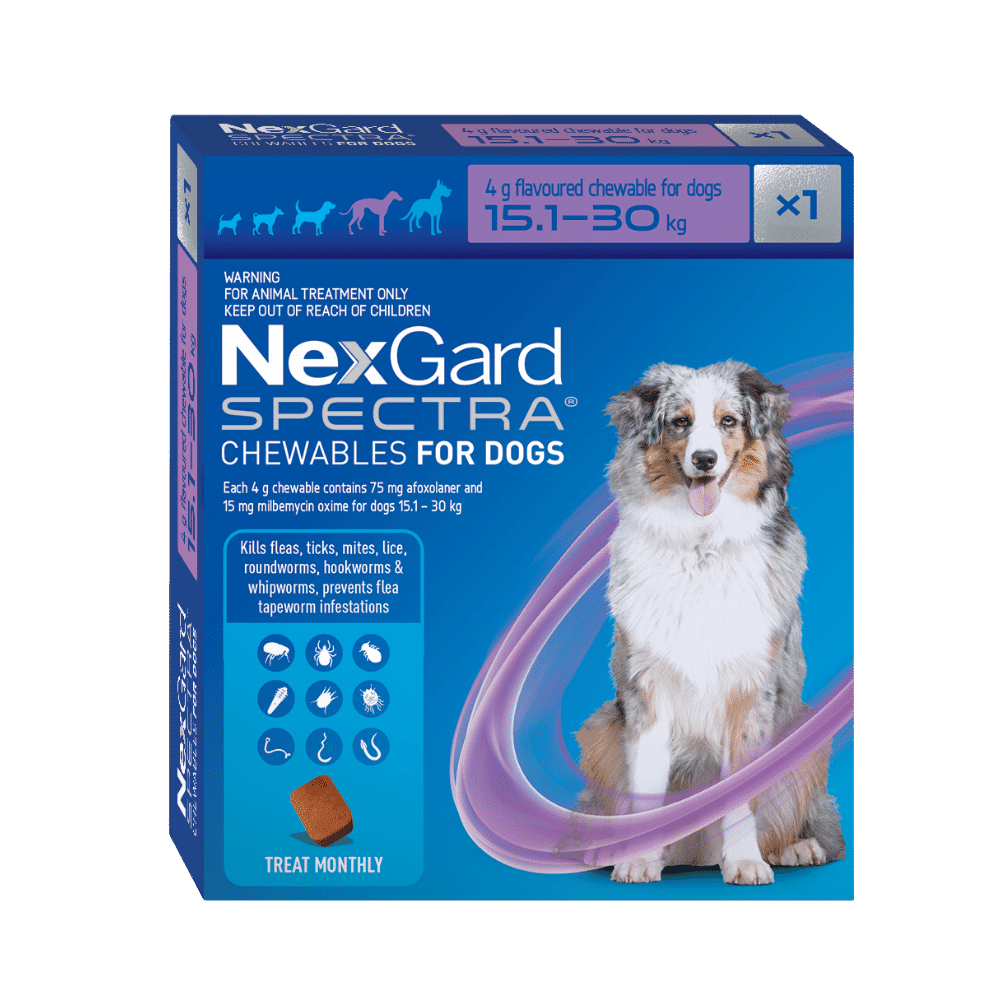
Nexgard Spectra 15.1-30kg Single
$23.17 — available on autoship from $22.47 / week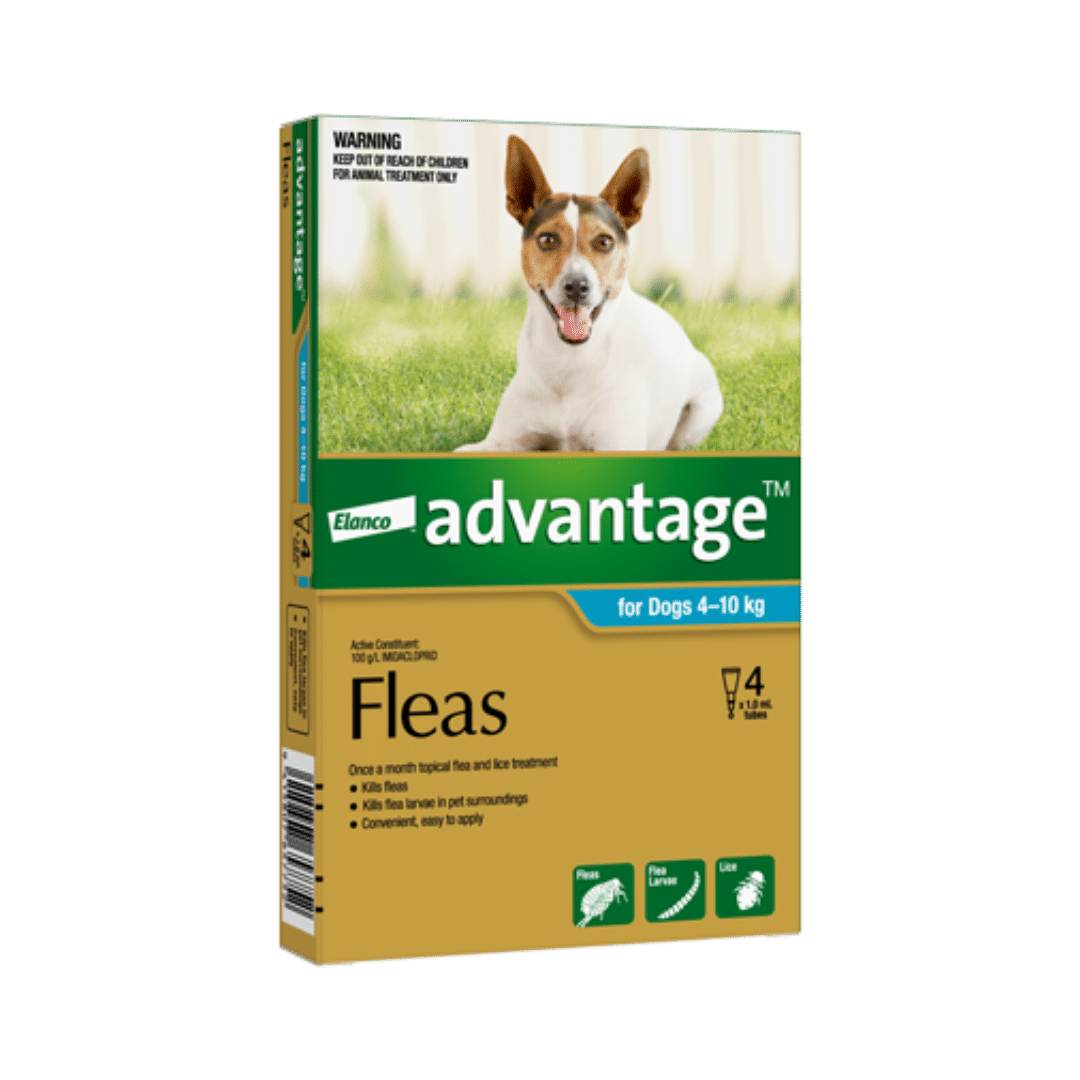
Advantage Spot-On Medium Dogs (4-10kg) 4 Pack
$52.51 — available on autoship from $50.93 / week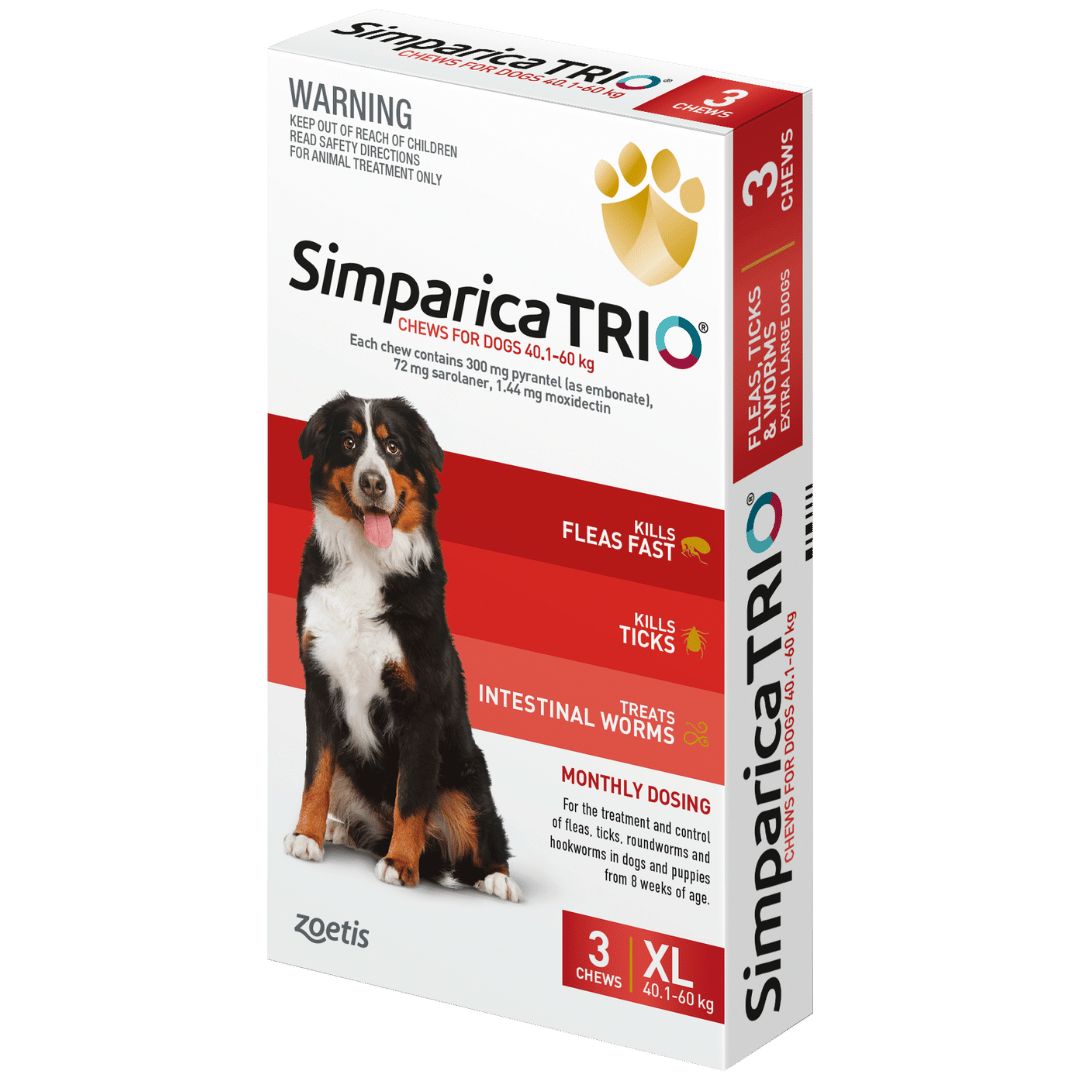
Simparica TRIO X-Large 40.1-60kg 3 Pack
$54.28 — available on autoship from $52.65 / week