










Arthritis Doesn’t Start in Old Age, it Starts in Puppyhood
How to Prevent Arthritis in Dogs
By Dr Rebecca Walker (Vetpost)
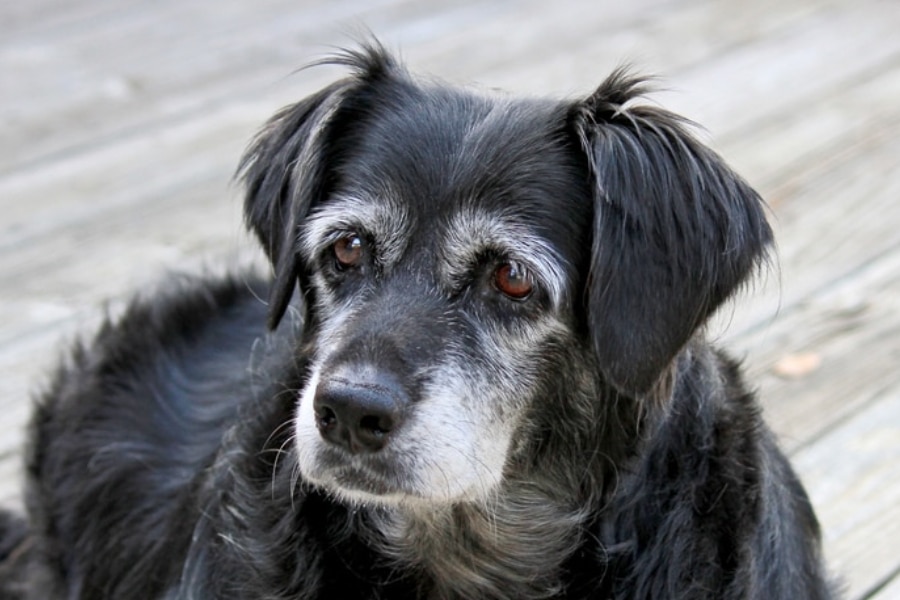
Most people think that arthritis is just something that happens when dogs get old. As a vet, I can tell you that’s not really true.
By the time a dog is limping, slowing down or struggling to get up, joint damage has usually been building for years. In many cases, the risk starts in puppyhood, long before anyone notices a problem.
This article is based on guidance from Canine Arthritis Management (CAM), one of the leading authorities on canine joint disease, combined with what I see every day in practice.
What actually causes arthritis in dogs?
Arthritis develops when joints are damaged over time. That damage can come from:
• abnormal joint development (such as hip or elbow dysplasia)
• cruciate ligament disease
• patella luxation
• osteochondritis dissecans (OCD)
• previous injuries or surgery
• excess body weight
• repeated strain from high-impact exercise
CAM is very clear that arthritis is usually multifactorial. Some dogs are genetically predisposed, but many of the forces acting on their joints are influenced by lifestyle and environment, which does mean that owners can reduce risk.
Can arthritis be prevented in dogs?
The honest answer is: not always.
Some dogs will develop arthritis despite our best efforts. Genetics, trauma and joint disease all play a role. BUT, early action can delay onset and reduce severity, and that prevention should be thought of as long-term joint protection rather than a guarantee.
In veterinary medicine, prevention means:
• slowing joint damage
• reducing stress on joints
• maintaining mobility for as long as possible
That starts much earlier than most people realise.
Why puppyhood matters so much
Things that increase the risk of arthritis later in life include:
- excessive or inappropriate exercise in puppies
- repetitive ball throwing
- jumping on and off furniture
- slippery flooring
- early stair climbing
- poor muscle development
CAM highlights research showing that:
- puppies with stair access before 3 months of age have a higher risk of hip dysplasia
- puppies raised on slippery floors have around 1.6 times the risk of developing hip dysplasia
That’s not because stairs or tiles are evil, it’s because repeated slipping and jarring puts abnormal forces through immature joints.
This is why I often recommend:
- rugs or non-slip mats in play areas
- limiting stair use in young puppies
- lifting puppies in and out of cars
- avoiding uncontrolled jumping
These small changes can have lifelong benefits.
Weight: the strongest modifiable risk factor
If there is one factor that consistently shows up in arthritis research, it is weight. This for me is the MOST important factor to consider and get right for your doggo.
CAM reports that:
- around 63% of dogs are overweight
- 90% of owners don’t recognise when their dog is overweight
- excess weight shortens lifespan by around two years
- overweight Labradors in one study showed arthritis signs six years earlier than lean Labradors
Extra weight increases mechanical load on joints and promotes inflammation. From a veterinary point of view, keeping dogs lean is one of the most powerful ways to protect joints.
Aiming for a body condition score of around 4.5 to 5 out of 9, not round, not bony, but athletic.
This matters far more than most supplements or gadgets.
Does diet type prevent arthritis?
There is no good evidence that feeding raw versus kibble prevents arthritis.
CAM specifically states that what matters is:
- feeding for the correct life stage
- avoiding excess calories
- ensuring balanced nutrition
Home-prepared diets, especially for puppies, should ideally be formulated with a veterinary nutritionist. Nutrient imbalances during growth can affect bone and joint development.
Exercise: helpful or harmful?
Exercise is essential for joint health, but the type of exercise matters more than the amount.
We recommend avoiding:
- repetitive stop-start activities
- high-impact twisting movements
- exercising dogs to the point of fatigue
- constant ball throwing
Instead, we recommend:
- steady, controlled movement
- consistent routines rather than weekend bursts
- varying surfaces to improve coordination and muscle support
Muscle stabilises joints. Dogs with good muscle tone tend to cope better with joint disease than dogs who are unfit or overweight.
Home environment and joint protection
CAM places a strong emphasis on environmental management, especially for dogs at risk of arthritis.
They recommend:
- non-slip flooring in key areas
- ramps instead of stairs
- supportive bedding
- limiting jumping up and down
- careful vehicle access
Over years, these changes reduce repeated joint strain and micro-injury.
Neutering and arthritis risk
CAM also notes that timing of neutering may influence arthritis risk in some breeds, particularly larger dogs.
There is some evidence that early neutering can increase arthritis risk in certain breeds, with a stronger association in females. The timing should be discussed with your vet based on breed, size and lifestyle.
There is no one-size-fits-all answer.
Professional monitoring matters
Prevention is not just about what owners do at home.
CAM recommends:
- regular veterinary orthopaedic checks
- weight monitoring and body condition scoring
- veterinary nurse clinics for weight and mobility
- physiotherapy assessments for active dogs
Early detection of subtle gait changes or muscle loss allows intervention before pain becomes severe.
What about joint supplements?
Joint supplements cannot guarantee that arthritis will never develop, but they can support joint health as part of a broader prevention plan.
At Vetpost, commonly used veterinary joint supplements include:
Nuvetra Advanced Joint Support
4CYTE®
Movoflex
These are most useful when started early in dogs with risk factors such as:
- large breed size
- previous joint injury
- early stiffness
- high activity levels
They work best alongside proper weight control and sensible exercise.
What prevention really means
Arthritis is usually progressive and influenced by factors outside our control.
But good management can:
- delay when arthritis begins
- reduce how severe it becomes
- preserve quality of life
My advice as a vet
If you want to protect your dog’s joints, think long-term.
Start early.
Keep them lean.
Exercise them sensibly.
Make your home joint-friendly.
Support their joints before pain appears.
Arthritis does not have to mean the end of walks, play or independence. With the right care, many dogs stay active and comfortable well into old age.
And that’s always the goal.
More Questions About Arthritis in Pets?
Check out our Veterinary Arthritis Hub for more resources
References
This article is based on guidance from Canine Arthritis Management (CAM):
“Can arthritis be prevented?” – caninearthritis.co.uk
Educational credit to CAM.