












For cat owners in New Zealand, choosing the right cat food goes beyond simply picking something off the supermarket shelf. It’s a key part of responsible pet care that directly affects your cat’s well-being.
The food you serve daily plays a central role in your cat’s health, energy levels, behaviour, and even lifespan. Whether you have a curious kitten in a city apartment or a laid-back older cat in a rural home, nutrition matters at every stage of their life.
Proper nutrition helps maintain a healthy weight, supports a shiny coat, strengthens the immune system, and reduces the risk of common health problems such as kidney disease or digestive issues.
Cats rely on their food for nearly everything they need, and because they’re obligate carnivores, not all pet food options will give them what their bodies require. That’s why informed decisions about diet can lead to a happier, more active pet with fewer trips to the vet.
This guide is here to help. We’ll break down the key things to consider when selecting cat food so you can feel confident knowing your choice supports your cat’s long-term health.
Life Stage Matters – Tailoring Food to Your Cat’s Age
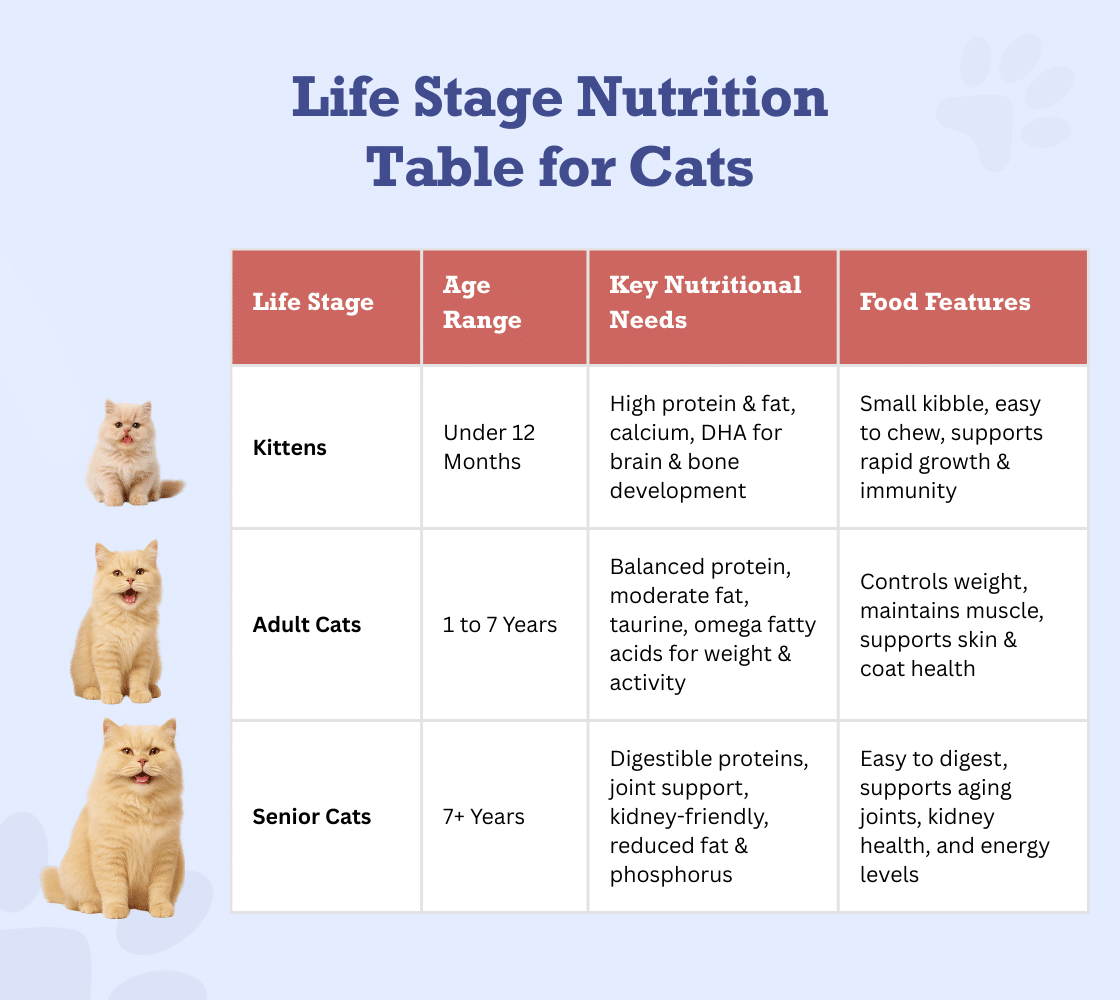
Cats need different nutrients depending on their age. Feeding your cat according to its life stage helps support growth, energy, and long-term health. When cats eat food that suits their age, they’re more likely to stay active, maintain a healthy weight, and avoid common health problems.
Kittens (Under 12 Months)
Kittens grow quickly and need food that helps them build strong bones, muscles, and a healthy immune system. Their food should contain more protein, healthy fats, and key nutrients like calcium and DHA. Kibble should be smaller and easy to chew.
You may like:
Hill’s Science Diet Kitten Dry Cat Food
Black Hawk Original Kitten Chicken
Pro Plan Kitten Chicken Formula Dry Cat Food
Hill’s Science Diet Kitten Healthy Cuisine Chicken & Rice Medley Canned Wet Cat Food 79g

Hill's Science Diet Kitten Healthy Cuisine Chicken & Rice Medley Canned Wet Cat Food 79g
$2.98 — available on autoship from $2.68 / week
Royal Canin Kitten Gravy Wet Cat Food Pouches
Original price was: $36.11.$28.00Current price is: $28.00. — available on autoship from Original price was: $36.11.$28.00Current price is: $28.00. / week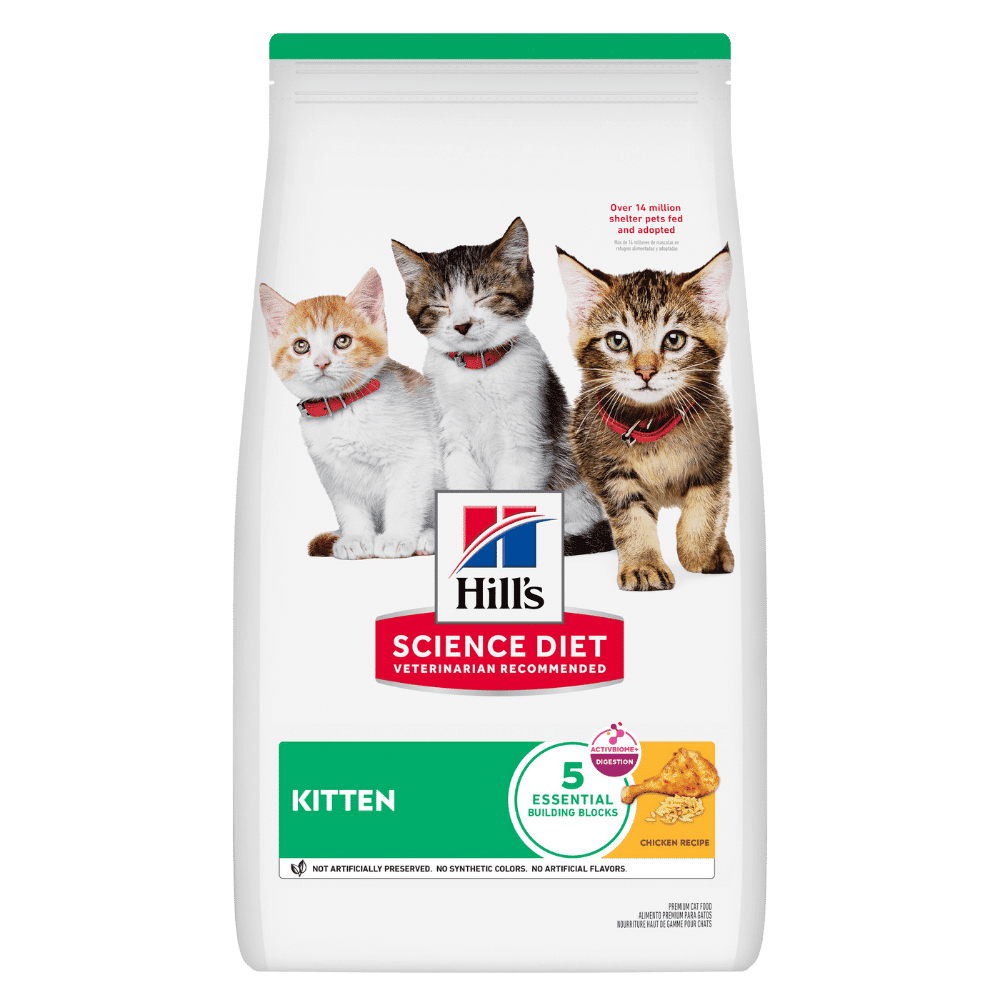
Hill's Science Diet Kitten Dry Cat Food
Price range: $39.88 through $158.81 — available on autoship from Price range: $35.89 through $142.93 / week
Black Hawk Original Chicken Kitten Dry Food
Price range: $37.39 through $59.49 — available on autoship from Price range: $43.62 through $69.33 / week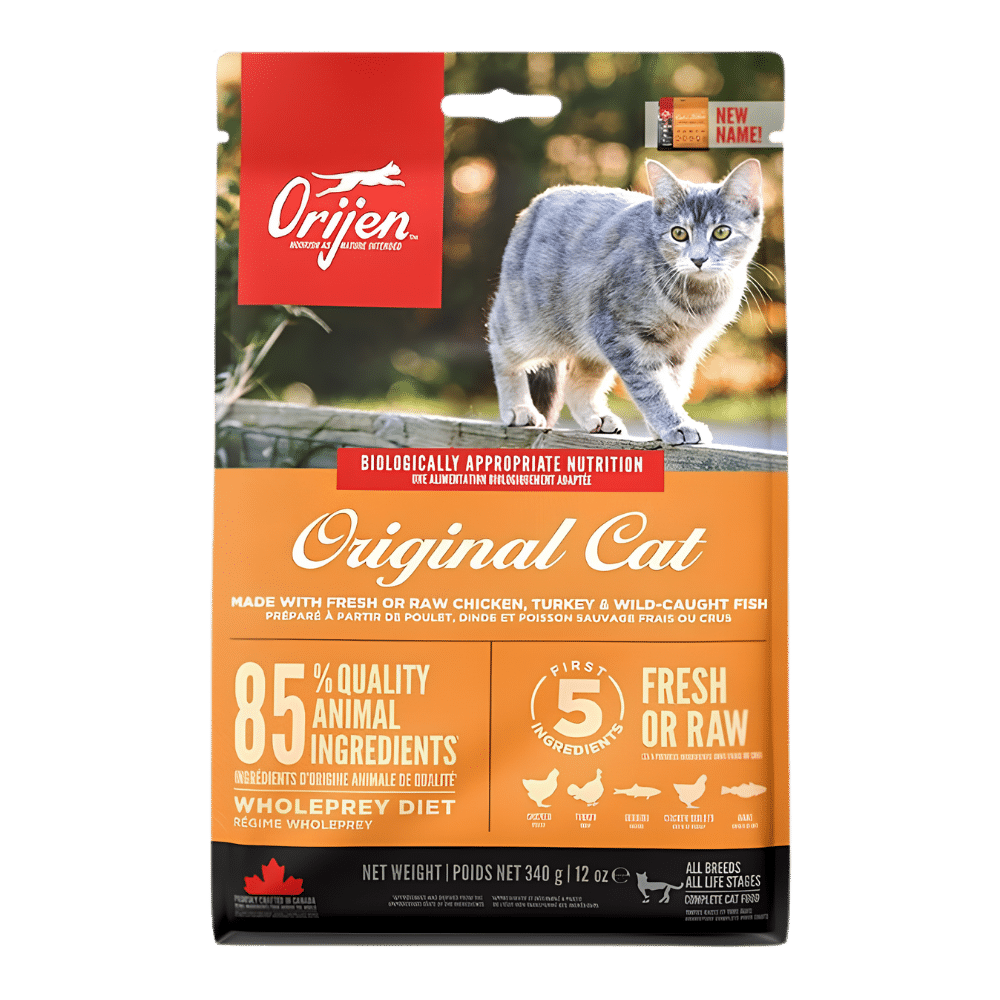
Orijen Original Dry Cat Food
Price range: $62.00 through $132.32 — available on autoship from Price range: $60.14 through $128.35 / week
Royal Canin Fit 32 Adult Dry Cat Food
Price range: $54.62 through $200.30 — available on autoship from Price range: $52.98 through $248.29 / week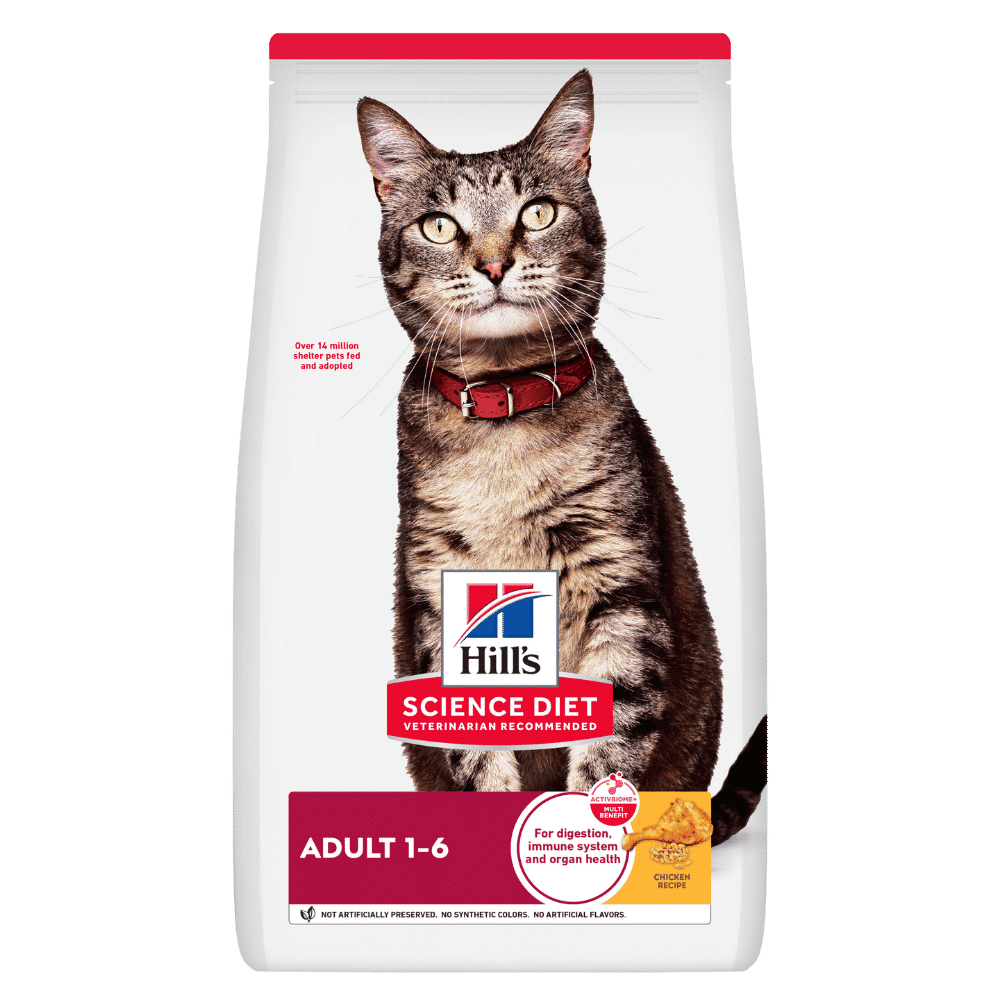
Hill's Science Diet Adult Dry Cat Food
Price range: $53.19 through $175.45 — available on autoship from Price range: $47.87 through $157.91 / week
Black Hawk Cat Food Original Adult Chicken
Price range: $37.40 through $133.44 — available on autoship from Price range: $43.62 through $155.18 / week
Hill's Science Diet Mature 7+ Hairball Control Cat Food
Price range: $60.01 through $103.94 — available on autoship from Price range: $54.01 through $93.55 / week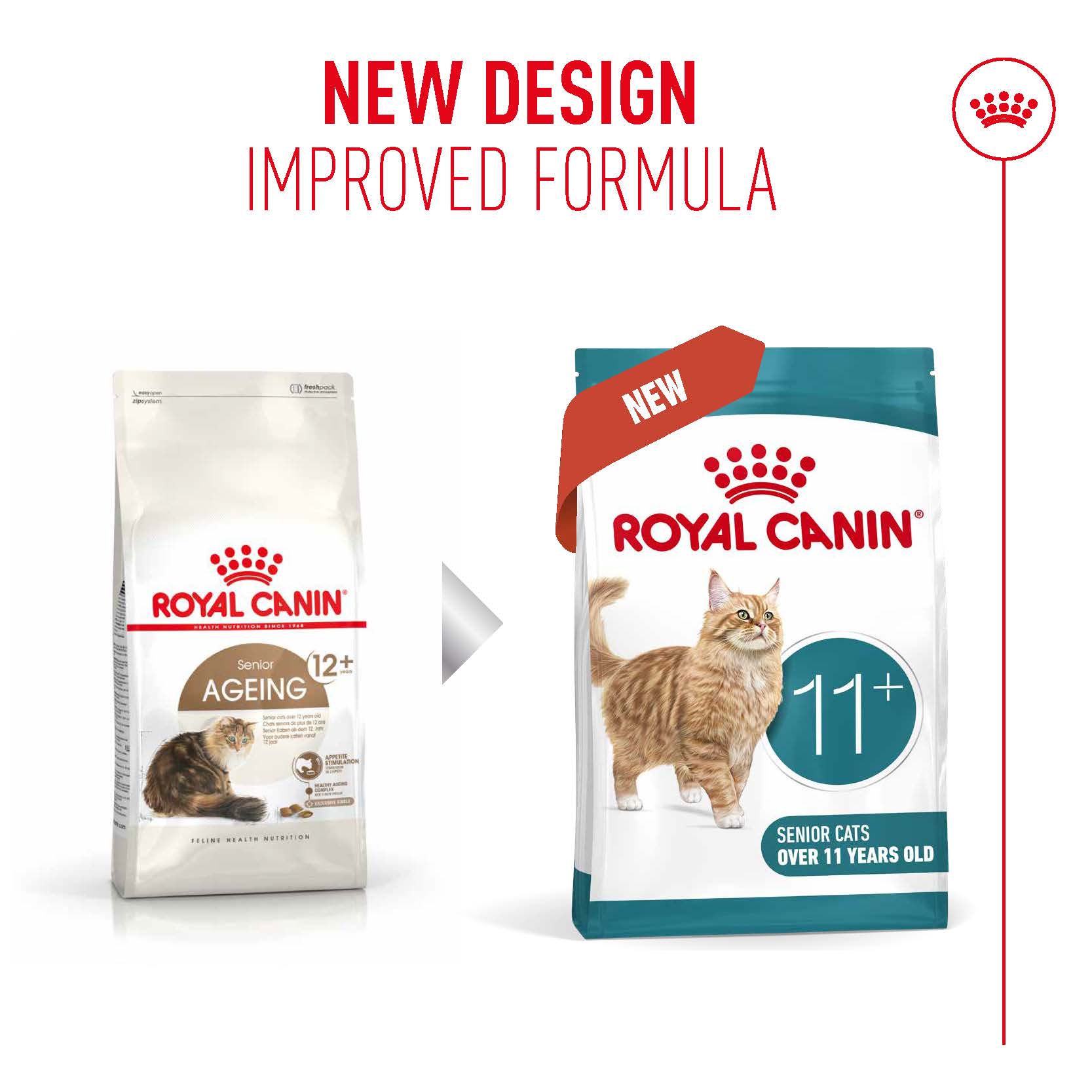
Royal Canin Cat Senior Ageing 12+ 2kg Biscuits
$56.77 — available on autoship from $55.07 / week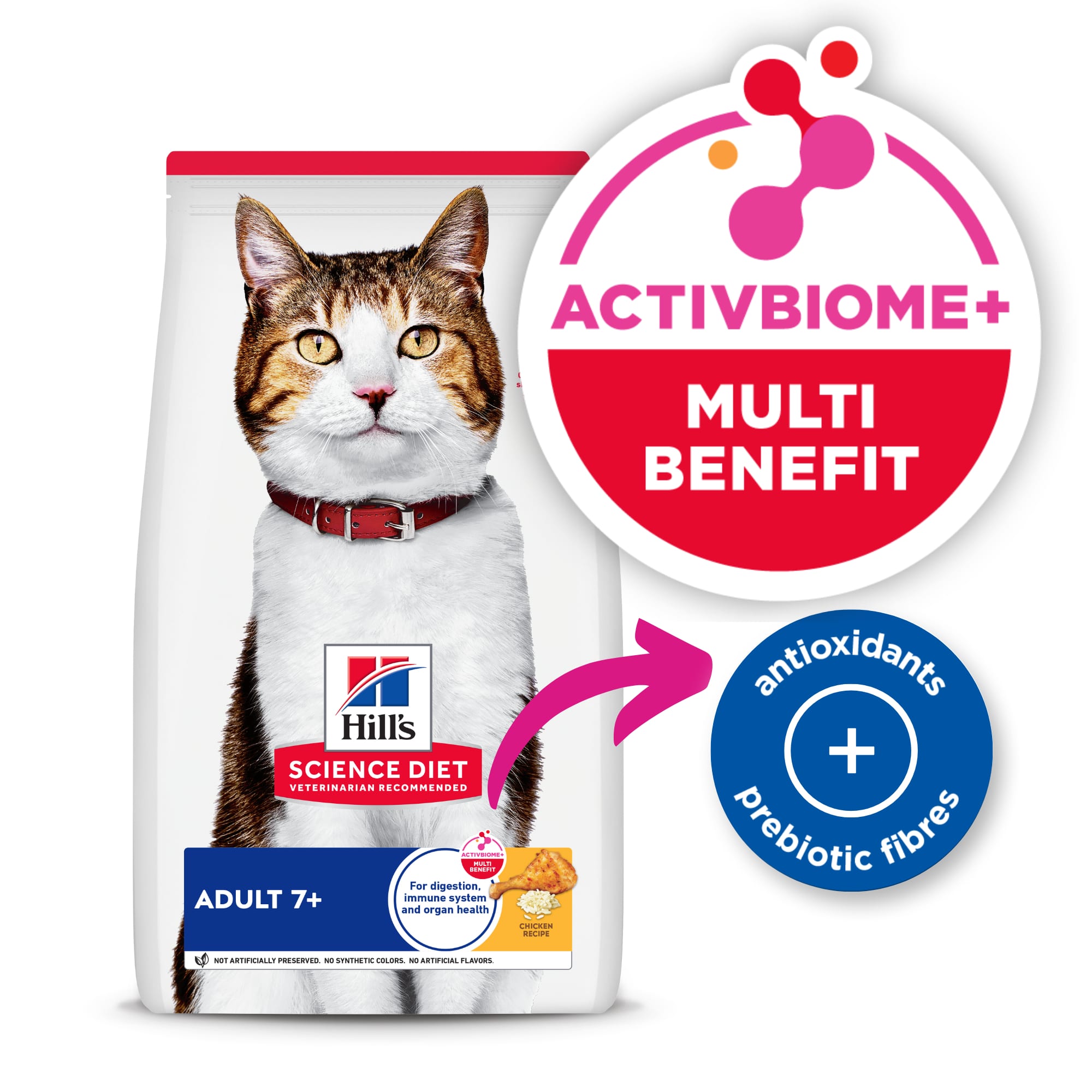
Hill's Science Diet Adult 7+ Senior Dry Cat Food
Price range: $44.18 through $123.65 — available on autoship from Price range: $39.76 through $111.29 / week
Royal Canin Instinctive 7+ Gravy Cat Wet Food
$36.11 — available on autoship from $35.03 / weekFeeding the Right Food for the Right Age
Feeding the wrong food can cause problems. Kitten food has too many calories for older cats, while adult food might not support a growing kitten properly. Senior cats may struggle to digest adult or kitten food. That’s why choosing food for your cat’s age helps avoid long-term issues and keeps them healthy at every stage.
Ingredient Quality – What’s Really in the Bag or Can?
What’s listed on a cat food label tells you a lot about its quality. Choosing food with the right ingredients can improve your cat’s digestion, energy, coat condition, and long-term health. It’s important to know what goes into your cat’s food, not just what the front of the bag says but what’s listed on the back.
Is chicken meal bad for cats?
Cats are obligate carnivores, which means they rely on meat to get the nutrients they need. Animal protein gives them essential nutrients like taurine, which supports heart and eye health. Good cat food should have real meat such as chicken, beef, or fish listed as one of the first ingredients.
When meat is the main ingredient, your cat gets more protein and fewer unnecessary carbohydrates. This helps keep their muscles strong, supports energy, and improves coat and skin condition.
What to Avoid in Cat Food? Common Fillers and Low-Quality Additives
Some cheaper cat foods use fillers to bulk up the product. These fillers don’t offer much nutritional value and may lead to weight gain or digestive problems. Common fillers include corn, wheat, and soy. You might also see vague terms like “meat by-products” or “animal derivatives”. These often mean the food contains low-grade or leftover parts of animals.
While not all by-products are harmful, high-quality food usually lists specific meat sources. Avoid foods where fillers and by-products take up most of the ingredient list. Choose ones that have high focus on protein and listed ingredients.
You may like:
Understanding Labels: Real Meat vs. Meat Derivatives
Labels can be tricky. “Real meat” means the food includes whole cuts of named meat, such as chicken or lamb. These are easier for your cat to digest and offer more nutrition.
“Meat derivatives” or “meat by-products” are vague terms. They could mean anything from organ meat to ground-up bones or leftover trimmings. These ingredients are harder to track and often lower in quality.
Always look for food that clearly states what type of meat it includes. The more specific the label, the better the food is likely to be.
How to Read an Ingredient List
Ingredient lists are written in order by weight. This means the first few items make up most of the food. If meat is first and there are few fillers or additives, that’s usually a good sign.
Look for simple, clear names. For example:
- Good: Chicken, beef, lamb, salmon
- Questionable: Meat meal, animal fat, cereal, meat by-products
If the list starts with grains, fillers, or unnamed ingredients, it may be time to consider a different brand.
What is the healthiest food to feed your cat?
Not all cat food provides the full nutrition your cat needs. When choosing what to feed your pet, it’s important to check that the product is labelled “complete and balanced.” This tells you that the food meets recognised standards for a cat’s daily nutritional needs.
What “Complete and Balanced” Really Means
In New Zealand, many cat foods follow nutritional guidelines based on AAFCO (Association of American Feed Control Officials) standards. AAFCO sets the minimum and recommended levels of nutrients for different life stages, such as growth, maintenance, and senior health. Some New Zealand brands also meet local food safety and labelling regulations through MPI (Ministry for Primary Industries) or related bodies.
When a product says it is “complete and balanced,” it means the food contains all the essential nutrients in the right amounts for your cat’s life stage. You can safely feed this type of food every day without needing to add anything extra.
Key Nutrients Cats Need Every Day
Cats have specific dietary needs that differ from dogs or humans. Without the right mix of nutrients, cats can develop health problems over time.
Here are some of the essential nutrients your cat’s food should include:
- Taurine – supports heart function, vision, and reproduction
- Omega-3 and Omega-6 fatty acids – promote healthy skin and a shiny coat
- Vitamins – such as Vitamin A, B-complex, and D for immunity, metabolism, and bone health
- Minerals – like calcium, phosphorus, zinc, and magnesium to support bones, teeth, and overall organ function
- High-quality protein – helps build and repair muscle tissue
- Fats – provide energy and help absorb fat-soluble vitamins
Cats also require a steady source of moisture, especially if they mainly eat dry food.
Why Treats and Home-Cooked Meals Are Not Enough
Many cat owners enjoy giving their pets the occasional treat or even preparing food at home. While this can be fine in small amounts, it should never replace complete and balanced meals.
Most treats are not nutritionally complete and are only meant for occasional feeding. Over-relying on them can lead to nutrient imbalances or weight gain. The same goes for home-prepared food unless it’s been developed with the help of a vet or pet nutritionist, it often lacks essential nutrients like taurine or the right vitamin mix.
For long-term health, it’s best to make sure your cat’s main diet comes from food that is clearly labelled as “complete and balanced.”
Wet Food vs. Dry Food – What is the Most Recommended Cat Food?
When it comes to feeding your cat, most New Zealand pet owners choose between wet food, dry food, or a mix of both. Each type has its own benefits and drawbacks. Understanding these differences can help you decide what works best for your cat and your household routine.
Moisture, Texture, Taste, Storage, and Cost
Wet food contains around 70–80% moisture, which helps keep your cat hydrated, especially if they don’t drink much water. It has a soft texture and a strong smell that many cats find appealing. Wet food often comes in cans or pouches and needs to be refrigerated once opened.
Dry food, or kibble, contains about 10% moisture. It has a crunchy texture and is easy to measure, store, and leave out during the day. It usually comes in resealable bags and tends to be more budget-friendly than wet food.
Pros and Cons of Each Type
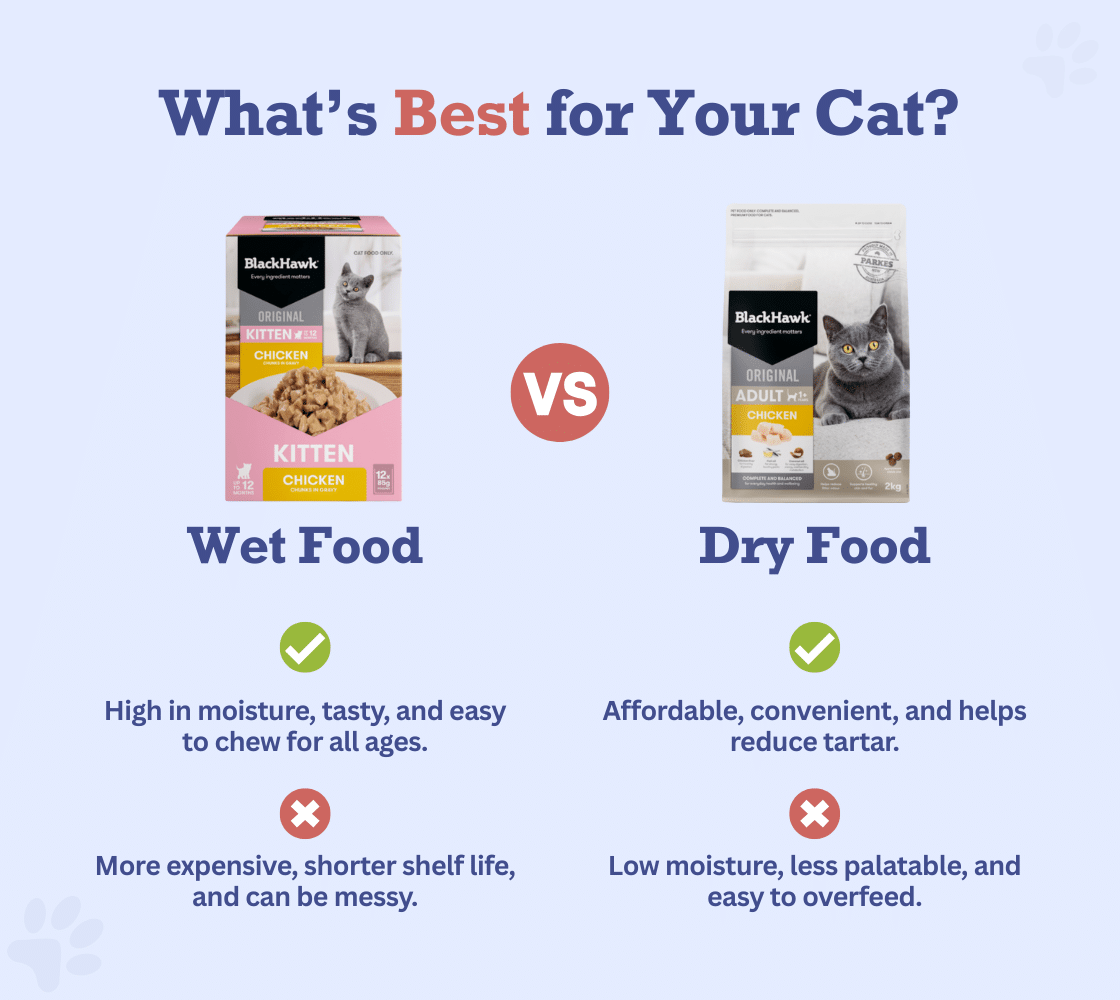
Wet Food – Pros:
- High moisture helps support kidney and urinary health
- Often more appealing for fussy eaters
- Softer texture is easier for kittens or older cats to chew
Wet Food – Cons:
- Costs more per serving
- Shorter shelf life once opened
- Can be messier and smellier
Dry Food – Pros:
- Affordable and long-lasting
- Easy to store and serve
- May help reduce tartar build-up on teeth
Dry Food – Cons:
- Low moisture content
- Some cats may find it less appetising
- Overeating can lead to weight gain if not portioned properly
Which Food Do Cats Love Most?
Many cat owners choose to feed a mix of wet and dry food. For example, you might offer dry food in the morning and a small portion of wet food at night. This approach gives your cat the benefits of both textures while helping with hydration and variety.
Mixing both types also gives you flexibility. You can keep dry food out during the day when you’re not home, then serve wet food when you’re around to supervise and clean up.
How many times a day should a cat eat?
Most adult cats should eat two meals a day, about 8 to 12 hours apart. Kittens may need three to four meals daily, while senior cats can stick to twice a day unless advised otherwise by a vet. Always follow the feeding guide on the cat food label and adjust based on your cat’s age, activity level, and health.
Some cats may prefer to graze throughout the day, but their meals or daily allowance should still be portioned, as unrestricted access to food can lead to weight gain.
Feeding Habits and Taste Preferences
Not all cats are easy to feed. Some will eat anything, while others turn their nose up at new flavours or textures. Understanding your cat’s eating habits helps you choose food they’ll enjoy while still meeting their nutritional needs.
Fussy Eaters and Food Preferences
Some cats prefer wet food, while others like the crunch of dry kibble. Others may only eat certain flavours, such as chicken or fish. Texture also plays a big part. Some cats avoid chunky wet food but love smooth pâté.
If your cat is fussy, it doesn’t always mean there’s something wrong. Cats can develop preferences over time, especially if they’ve eaten the same food for years. You may need to try a few types to find one that works. Just make sure any food you offer is complete and balanced.
How to Introduce New Food Slowly
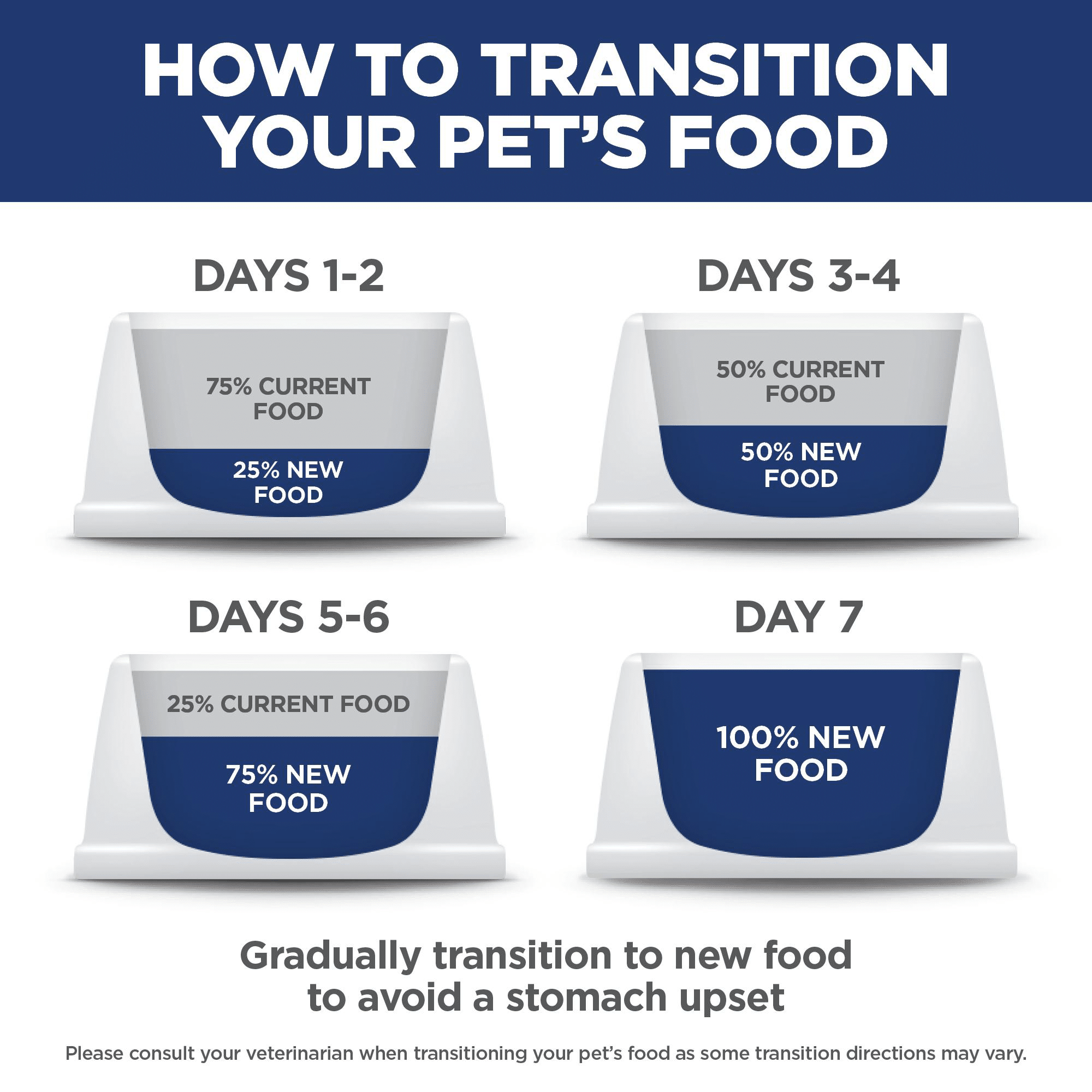
When switching to a new food, it’s best to do it gradually. A sudden change in diet can cause an upset stomach or lead to rejection of the new food altogether.
Start by mixing a small amount of the new food with their current food. Over the next 7 to 10 days, slowly increase the amount of new food while decreasing the old one. Watch for any signs of digestive trouble, such as soft stools or vomiting.
This slow change helps your cat get used to the new flavour and texture without stress.
Portion Control and Preventing Obesity
Overfeeding is common, especially with dry food. Leaving food out all day, also known as free feeding, can lead to weight gain particularly for indoor cats who are less active.
To avoid this, measure your cat’s meals based on the feeding guide on the packaging. Adjust portions depending on your cat’s age, size, and activity level. Treats should make up no more than 10% of their daily intake.
Keeping your cat at a healthy weight helps prevent health issues like diabetes, joint pain, and heart problems. Regular play and movement also support a healthy lifestyle, especially for indoor cats with less space to roam.
Choose Your Cat Food Wisely
Choosing the right cat food doesn’t have to be complicated, but it does take a bit of thought. The most important things to consider are your cat’s life stage, the quality of ingredients, the nutritional balance, and the overall value of the food you’re buying. These factors work together to support your cat’s health and well-being at every age.
Take time to observe how your cat responds to their diet. Look for signs like healthy weight, shiny fur, good energy, and regular digestion. If you notice changes in behaviour, appetite, or appearance, it could be linked to what they’re eating.
When in doubt, talk to your vet. They can help you match your cat’s health needs with the right type of food and suggest options based on their experience.
Investing in quality cat food now can mean fewer health issues and less vet visits later. A good diet supports not just your cat’s daily life but also their long-term health and comfort. Making informed choices today helps give your cat a happier, healthier tomorrow.