











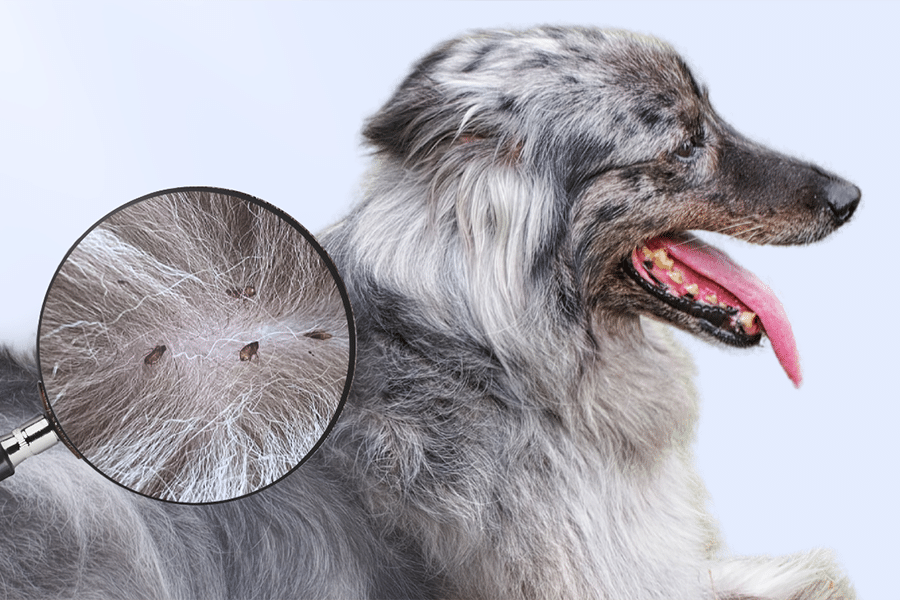
Fleas are an everyday nuisance for dog owners across New Zealand, causing discomfort to pets and frustration for their owners.
Yet many dog owners struggle to accurately identify fleas before an infestation takes hold. This quick guide helps New Zealand dog owners spot fleas early, ensuring timely intervention and effective management.
By knowing what signs to watch for and regularly checking your dog, you can stay ahead of potential infestations and maintain consistent, year-round flea prevention for both your pet and your home.
How Common Are Fleas in New Zealand?
Fleas are a widespread issue affecting many pets across New Zealand, making them one of the most common parasites that Kiwi dog owners face.
A nationwide study revealed that about 46% of dogs have flea infestations at some point, highlighting the broad scale of the problem.
Regional surveys reinforce these findings, with local research from Southland Vets showing that nearly 1 in 6 pets displayed evidence of fleas or flea dirt. Such high prevalence rates underline why dog owners must remain vigilant year-round.
Regional Variations in Flea Infestation
Fleas don’t discriminate by region, but local conditions can influence their numbers. Southland, known for its cooler climate, still shows significant flea activity, proving that colder temperatures alone won’t eliminate flea problems.
Understanding local flea activity can help owners tailor prevention efforts effectively.
Fleas are a common concern for dog owners across New Zealand. Warmer northern regions such as Auckland, Waikato, and the Bay of Plenty often experience higher flea activity, especially during humid summers.
However, due to indoor heating and warm home environments, even cooler areas like Canterbury, Otago, and Southland can sustain flea populations throughout the year. Understanding local flea patterns can help owners tailor prevention efforts more effectively.
Why Fleas Thrive in New Zealand
New Zealand’s mild climate and temperate conditions are ideal for fleas to breed throughout most of the year. Fleas particularly thrive in warm and humid environments, which is typical of many parts of the country during spring and summer months.
However, even cooler months pose risks, as fleas seek warmth indoors, continuing their life cycles in heated homes and carpets.
Risks of Ignoring Flea Prevalence
Ignoring the widespread nature of fleas can quickly lead to severe infestations.
DID YOU KNOW?
A single flea can rapidly multiply into hundreds, causing significant discomfort and health issues for your dog.
Regular checks and prompt identification are essential steps to avoid costly and time-consuming flea eradication measures later. Awareness of these prevalence rates encourages proactive care, safeguarding the health of your pet and maintaining a flea-free household environment.
Recognising the Signs of a Flea Infestation on Your Dog
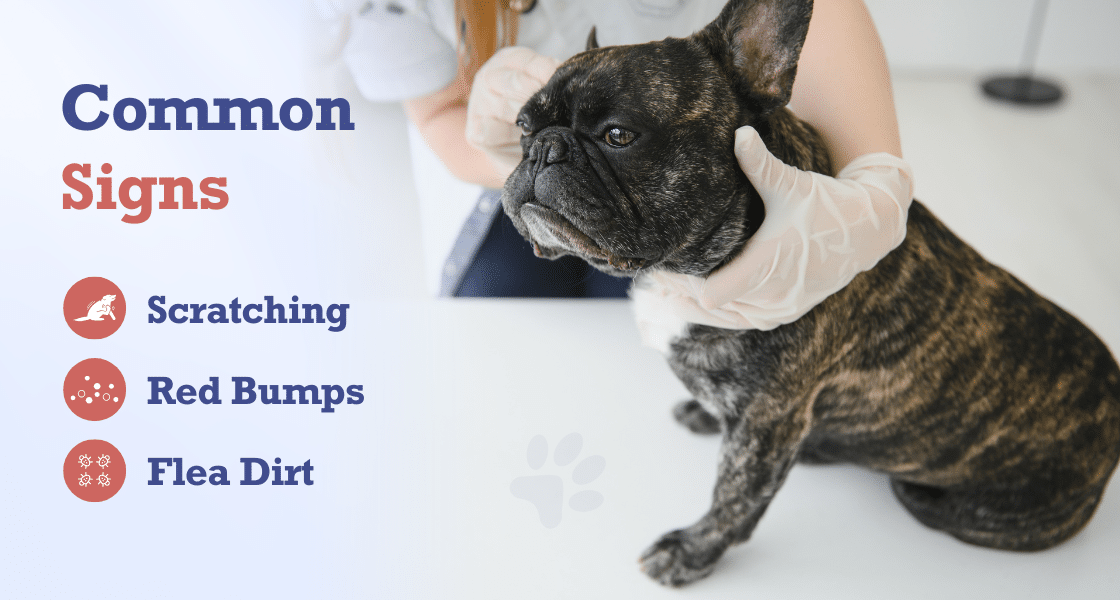
Early detection of fleas is crucial to managing infestations effectively and protecting your pet’s comfort. Many Kiwi dog owners might initially overlook fleas, assuming their pets will scratch excessively if fleas are present. However, knowing the subtle and clear signs helps identify fleas promptly.
Year-round preventive measures will go a long way to keep fleas from infecting your pet.
Excessive Scratching, Biting, or Licking
The most obvious sign of fleas on dogs is persistent scratching, biting, or licking of their fur. Flea bites are itchy and irritating, prompting your dog to try and relieve this discomfort through continuous scratching or biting.
Even if you can’t see fleas immediately, increased restlessness or frequent scratching episodes should alert you to investigate further.
Typical Flea ‘Hotspots’ on Dogs
Fleas prefer warm, sheltered areas on your dog’s body. You are likely to find them gathering around:
- Base of the tail
- Groin and belly area
- Behind the ears and under the collar
Regularly checking these common spots can help you catch infestations before they escalate into severe problems.
Red Bite Marks and Irritated Skin
If fleas are present, your dog’s skin will often show visible irritation. Small red bite marks and inflamed areas, particularly around flea hotspots, are clear signs. These bites often become red and sore due to your dog’s constant scratching or biting.
Persistent skin irritation can lead to further complications like infections or wounds, which might need veterinary attention.
Flea Allergy Dermatitis: A Severe Reaction
Some dogs react more severely than others, developing a condition known as Flea Allergy Dermatitis (FAD). Even a few flea bites can trigger intense itching, causing your dog significant distress. Signs of flea allergy dermatitis include:
- Intense itching
- Hair loss or bald patches
- Inflamed or scaly skin
- Frequent skin infections
Dogs experiencing FAD require prompt veterinary care to manage symptoms and prevent complications.
Behavioural Changes in Your Dog
Beyond physical signs, dogs with flea infestations may display unusual behavioural changes. This includes irritability, restlessness, or lethargy due to discomfort and disrupted sleep patterns from persistent itching. Paying close attention to these behavioural cues can help you intervene early, keeping your dog comfortable and healthy.
By recognising these key signs early, Kiwi pet owners can respond quickly to flea infestations, minimising discomfort and ensuring effective treatment.
Understanding Flea Allergy Dermatitis (FAD)
FAD is a severe allergic reaction affecting many dogs in New Zealand, triggered by proteins found in flea saliva. Unlike typical reactions, dogs with FAD experience intense discomfort even from minimal flea exposure.
It’s crucial for dog owners to understand the signs and severity of this condition to ensure prompt and effective care.
Why Flea Allergy Dermatitis Occurs
When fleas bite, their saliva enters your dog’s skin, containing proteins that some dogs recognise as allergens. This triggers an exaggerated immune response, resulting in severe irritation and inflammation. Even a small number of flea bites can cause significant reactions in sensitive dogs, making consistent flea prevention vital.
Key Symptoms of Flea Allergy Dermatitis
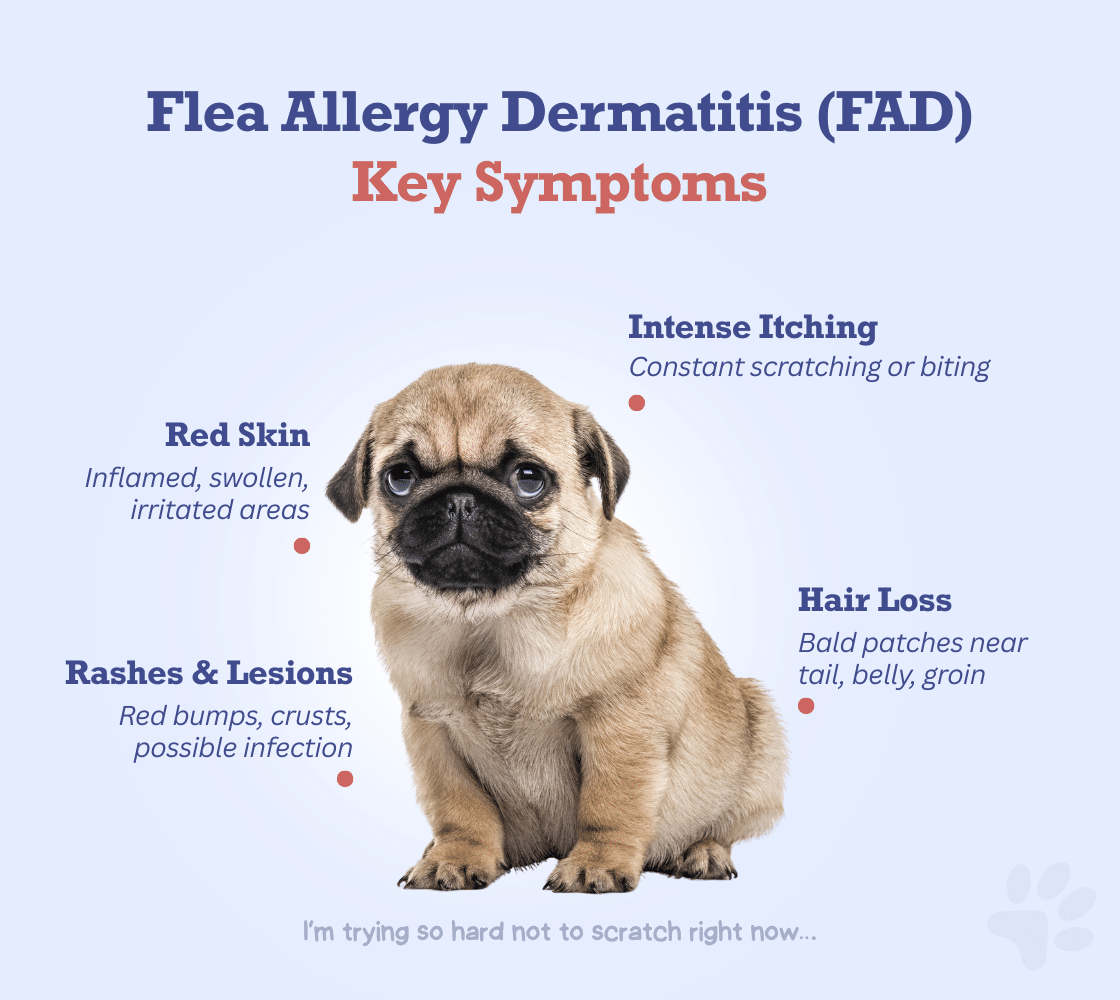
Dogs suffering from FAD typically exhibit symptoms more pronounced and persistent than those associated with regular flea infestations. These include:
- Intense Itching (Pruritus):
Dogs with FAD scratch or bite themselves relentlessly, often unable to settle comfortably. - Red, Inflamed Skin:
Affected areas become red, swollen, and irritated, sometimes progressing to open sores due to continuous scratching. - Significant Hair Loss:
Constant scratching or chewing at irritated areas leads to noticeable bald patches, often concentrated around the tail base, groin, belly, and hind legs. - Skin Rash and Lesions:
Raised, red bumps and crusty lesions may appear, potentially developing into secondary bacterial infections if untreated.
Potential Complications of FAD
If Flea Allergy Dermatitis is not promptly identified and managed, dogs can suffer additional complications, including:
- Secondary bacterial or yeast infections due to skin trauma.
- Long-term skin changes, such as thickening or darkening, are caused by chronic inflammation and scratching.
- Persistent discomfort, significantly affecting your dog’s quality of life and general well-being.
Managing Flea Allergy Dermatitis Effectively
Effective management of FAD involves:
- Immediate Flea Removal: Treat your dog and all household pets quickly with vet-recommended flea control products to eliminate current infestations.
- Preventative Measures: Maintain strict year-round flea prevention strategies, as even occasional flea exposure can trigger severe allergic reactions.
- Veterinary Treatment: Consult your veterinarian for medication to soothe itching, control inflammation, and manage secondary infections if necessary.
By understanding Flea Allergy Dermatitis and recognising its symptoms early, New Zealand dog owners can take proactive steps to protect their pets from severe discomfort and potential complications.
Identifying Fleas Visually on Your Dog
Spotting fleas with your eyes is one of the most effective ways to confirm an infestation. While some signs, like scratching or irritated skin, can raise suspicion, visually identifying adult fleas or flea dirt gives you clear evidence.
Learning how to examine your dog properly can make all the difference in catching fleas early and taking action before the problem spreads.
What Adult Fleas Look Like
Adult dog fleas are very small – usually between 2 to 3 millimetres long – making them easy to miss at first glance. They appear brown or reddish-brown, have flat bodies, and are wingless, but their powerful hind legs allow them to jump great distances relative to their size.
Fleas move quickly through a dog’s fur, often darting away when the coat is parted. Because of their speed and small size, it can be difficult to catch a good look unless you know what to focus on.
Where to Locate Fleas on Your Dog
Fleas prefer warm, protected areas on a dog’s body. When checking your dog, focus on:
- The base of the tail
- Along the back of the legs and groin area
- The belly and inner thighs
- Around the neck and behind the ears
Use your fingers to gently part the fur or a fine-toothed flea comb to go through the coat, especially in these target areas.
Using a Flea Comb for Better Detection
A flea comb is a valuable tool for detecting fleas, particularly when infestations are still light. The comb’s fine teeth can trap both adult fleas and flea dirt (their faeces).
Slowly comb through the coat, cleaning the comb after every stroke by wiping it on a paper towel or rinsing it in soapy water.
This method helps you find fleas and provides relief for your dog by removing some pests on the spot.
Don’t Forget Flea Dirt: A Key Indicator
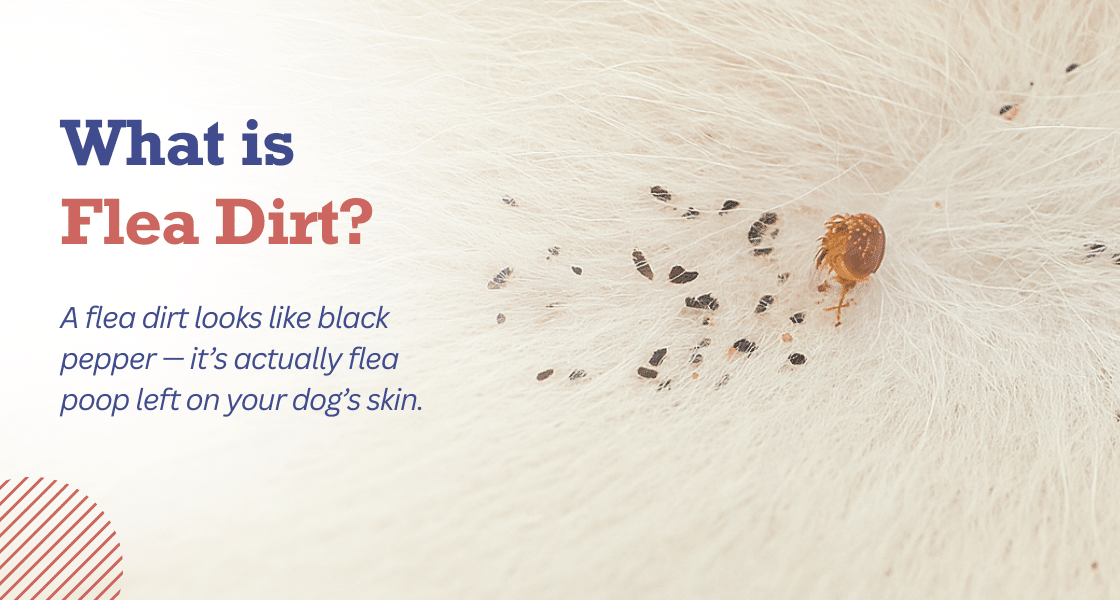
Sometimes, fleas may not be visible, especially if there are only a few on your dog. In such cases, look for flea dirt, which resembles fine black specks scattered in the fur.
This is actually flea faeces made of digested blood and serves as a strong indicator of flea activity.
A simple test is to collect the specks on a white tissue or paper towel and dampen it slightly. If the specks turn reddish-brown, it confirms that it is flea dirt, meaning fleas are (or recently were) present on your dog.
Why Visual Checks Should Be Routine
Performing visual checks regularly—especially after walks, grooming sessions, or during seasonal peaks—helps catch fleas early before they multiply.
Even if your dog is on flea prevention, it’s worth checking now and then. Spotting a single flea can be a sign of a broader issue in your home or environment, and early action prevents it from getting worse.
By knowing what to look for and how to examine your dog closely, you can stay a step ahead of fleas and avoid the discomfort and health risks they bring.
Immediate Next Steps If You Find Fleas or Flea Dirt
Discovering fleas or flea dirt requires swift and comprehensive action. Here’s what every Kiwi dog owner should do next:
Treat All Pets in the Household
If one pet has fleas, assume all pets are at risk, including indoor cats. Fleas move easily between animals and can hide in pet bedding or soft furnishings.
Use vet-recommended flea treatments for each pet, ensuring the products are appropriate for their species and weight.
Don’t Forget Environmental Control
Treating your dog alone won’t solve the problem if fleas have already spread through your home. Fleas lay eggs that fall off pets and land in places like carpets, bedding, rugs, and furniture.
These eggs hatch into larvae and eventually pupae, which can develop into new adult fleas within days or weeks.
Key environmental control steps include:
- Vacuum all floors, carpets, and upholstery regularly to remove eggs and larvae.
- Wash pet bedding and soft toys in hot water weekly during treatment.
- Use flea sprays or foggers with insect growth regulators (IGRs) in rooms your pet frequents. These help break the flea life cycle.
- Dispose of vacuum contents immediately in a sealed bag, as fleas can continue developing inside the vacuum if not removed.
Continue Monitoring and Preventing Reinfestation
Even after treatment, fleas can continue to emerge for several weeks due to dormant pupae. Stick to a regular flea prevention routine, and keep inspecting your pets and home for any signs of flea return.
Missing just one step in the process could cause the infestation to bounce back quickly.
By identifying flea dirt and acting fast, New Zealand dog owners can stay in control, ensuring a healthier, itch-free life for their pets—and a more comfortable home environment.
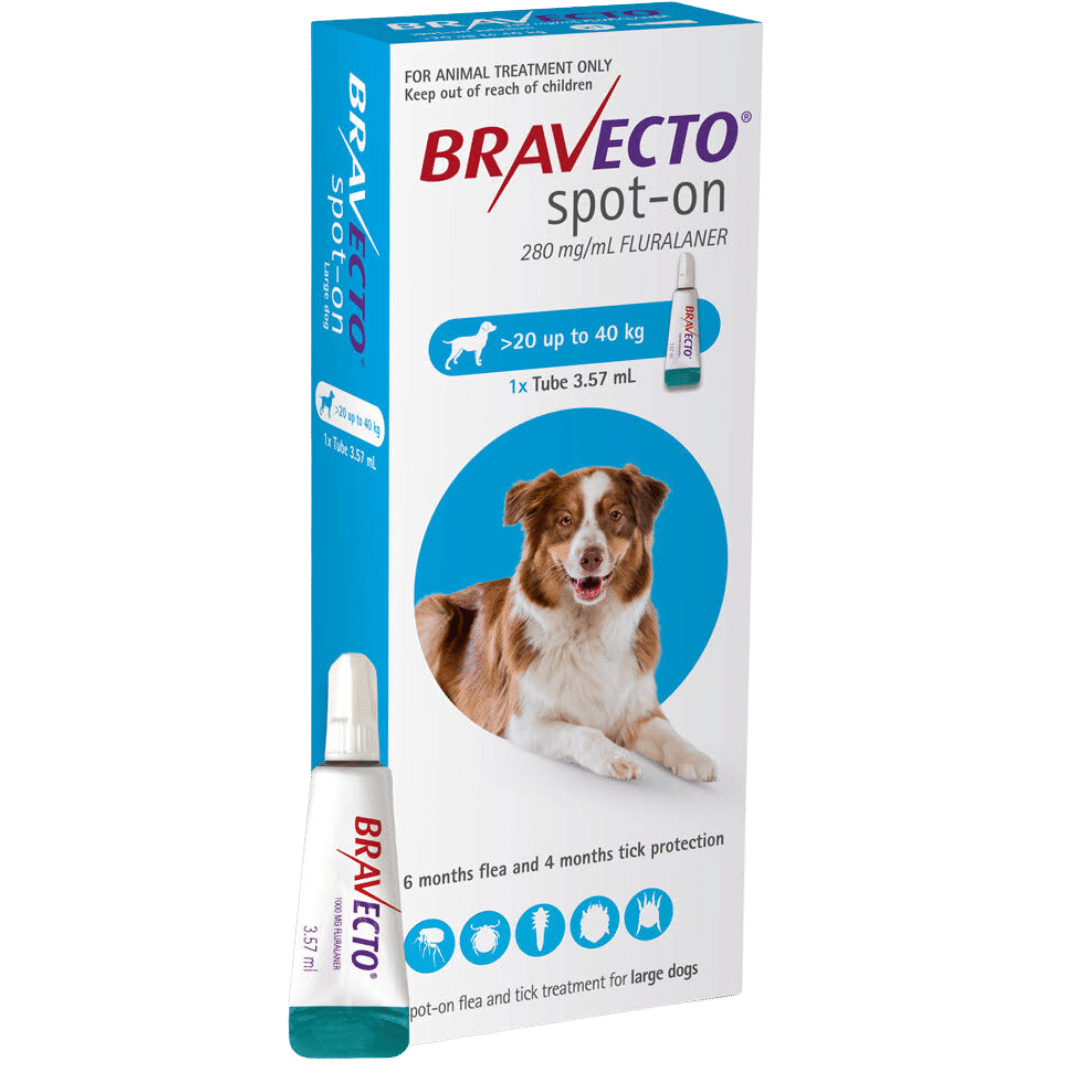
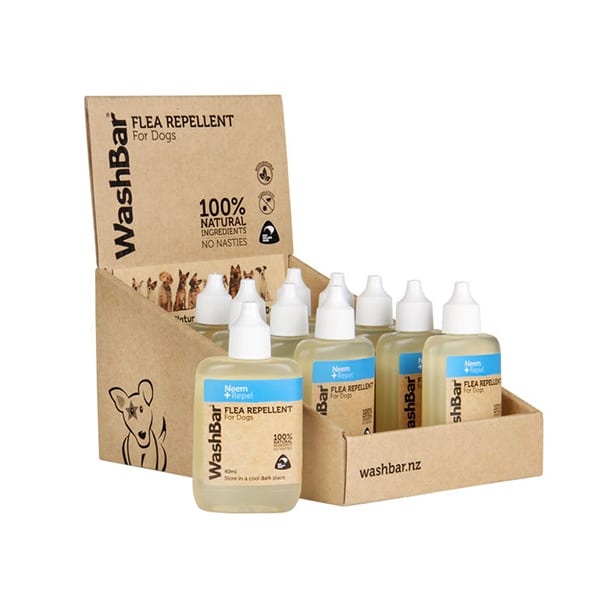
Flea Treatments for Dogs (Topical, Oral, Natural & Tools)
Choosing the right flea treatment is essential for protecting your dog from discomfort and preventing a full-blown infestation.
In New Zealand, pet owners have access to a variety of effective flea control options, including topical treatments, oral chewables, natural repellents, and grooming tools. The guide below outlines trusted solutions to help keep your dog protected and flea-free throughout the year.










2 Comments
Thanks for this super clear guide! I didn’t realise how a few tiny black specks could be flea dirt, definitely going to check those hot spots on my dog
Thanks for this super clear guide! I didn’t realise how those tiny black specks (flea dirt) could tell you fleas are around. I’ll definitely be checking those spots on my dog more closely