











Fleas are more than just a nuisance. They cause real discomfort for dogs and can lead to more serious health problems if not managed properly.
In New Zealand, mild weather means fleas can thrive for much of the year, so regular prevention and good treatment are essential. But with so many products available, like spot-ons, chews, collars, shampoos, and “natural” sprays, it can be hard to know what really works and what is just marketing.
This guide explains vet-approved flea treatments for dogs in New Zealand. It covers what local vets recommend, how to treat your dog safely, and why treating both your dog and their environment is key for long-term success.
If you’re dealing with an active infestation, start here, then also read our step-by-step guide on how to get rid of fleas.
Why an Integrated Approach to Flea Control Is Essential
Getting rid of fleas is not just about treating what you see. While fleas on your dog seem like the main problem, the real issue is often in your dog’s surroundings.
Adult fleas are just a small part of the problem. Most infestations come from eggs, larvae, and pupae hiding in carpets, bedding, furniture, and shaded outdoor areas. This is why you need a plan that treats both your dog and their environment for lasting results.
To understand why fleas keep coming back (even after treatment), it helps to learn how fleas develop.
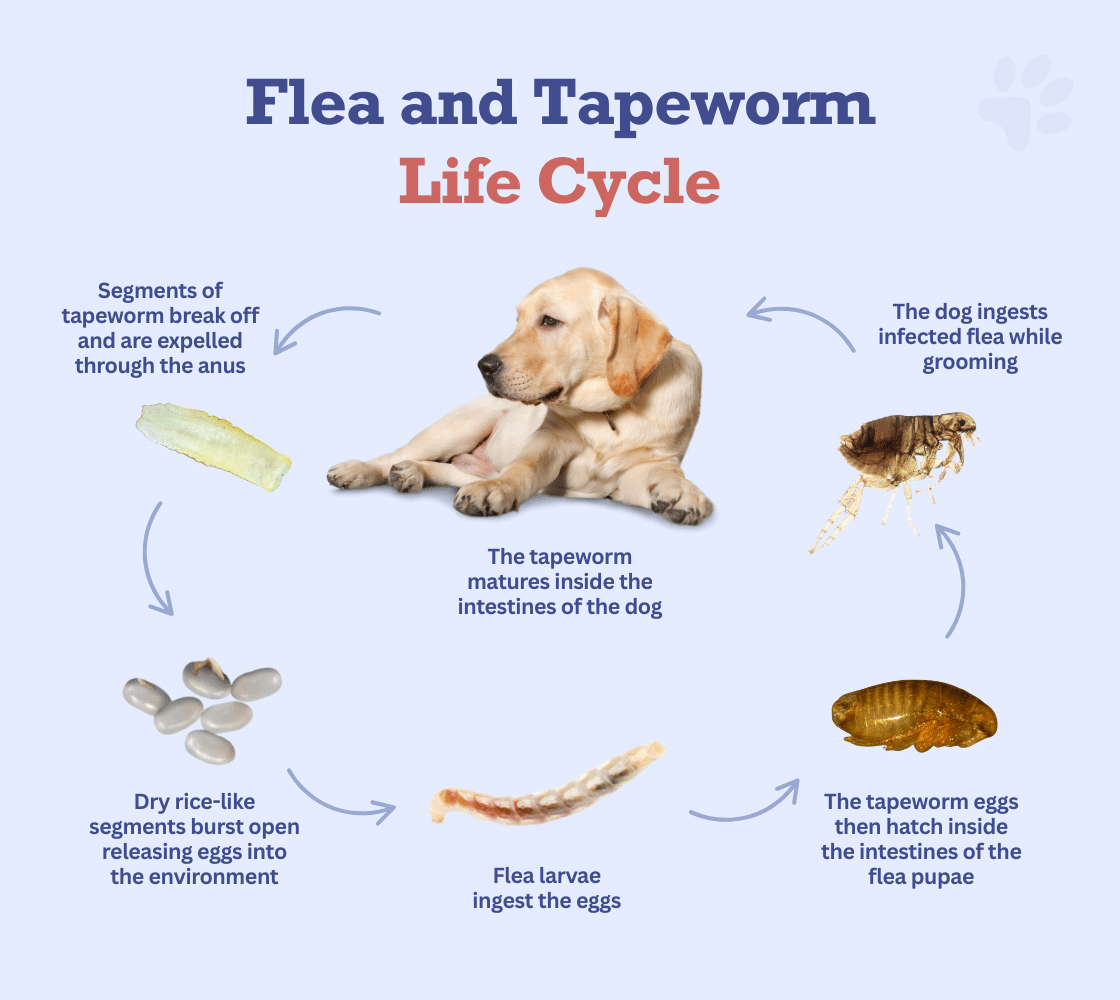
Fleas Multiply Fast, & Hide Even Faster
After biting your dog, adult fleas lay dozens of eggs each day. These eggs drop into the environment, hatch into larvae, and then develop into pupae. Pupae can remain hidden for weeks or even months before emerging as adult fleas when conditions are right.
If you only treat your dog and not the environment, new fleas will just jump back onto your pet and start the cycle again.
Treating the Environment Is Just as Crucial
Controlling fleas in the environment means getting rid of young fleas and stopping them from coming back.
Vets recommend these steps:
- Vacuum carpets, rugs, and furniture regularly (and dispose of the vacuum contents)
- Wash pet bedding in hot water
- Clean soft furnishings and hidden corners
- In heavier infestations, use a home treatment that includes an insect growth regulator (IGR) to stop flea development
If you want a simple checklist-style approach, use this safe routine for cats and dogs by Vetpost.
All Pets Must Be Treated Together
NZ vets say you should treat all pets in your home, not just the one with symptoms. Dogs and cats often share the same type of flea, and untreated pets can keep spreading fleas.
Even pets that stay indoors can get fleas, since fleas can come inside on people, clothing, or other animals.
If you suspect fleas, but aren’t sure what you’re seeing, this quick identification guide helps:
Consistency Is the Key to Long-Term Control
A good flea control plan only works if you stick with it. If you treat just once and stop, or treat only one pet, fleas usually come back.
For practical guidance on year-round protection, read:
- Year-Round Flea Prevention: Essential Tips for New Zealand Dog Owners
- Top 3 Vet Tips to Stay Flea-Free
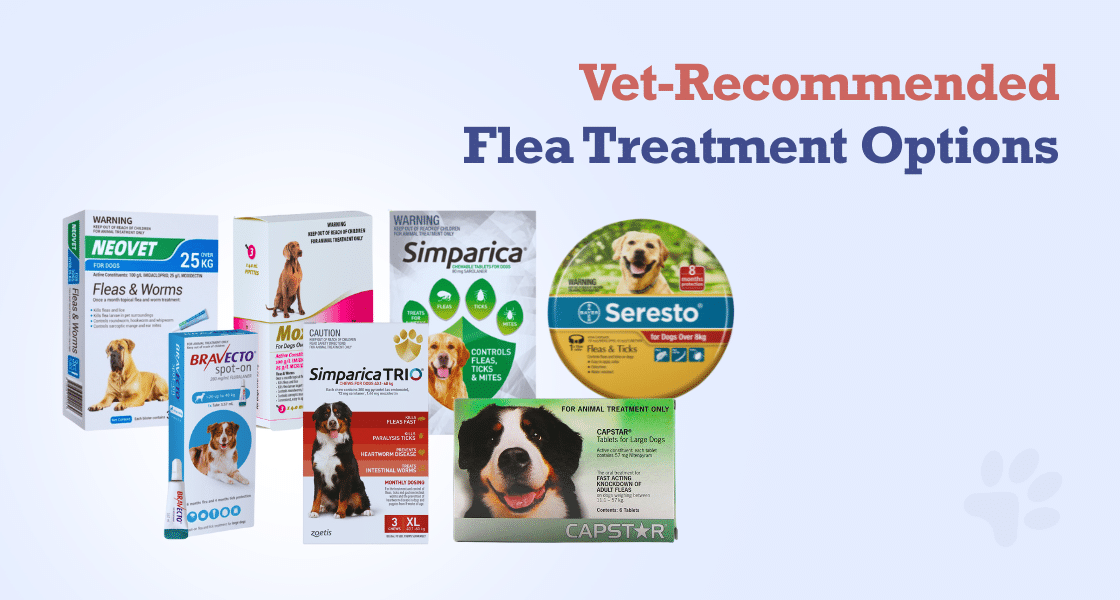
Vet-Recommended Flea Treatment Options for Dogs in New Zealand
Not all flea control products work the same. Vets in New Zealand usually recommend regulated, proven treatments that are safe, effective, and break the flea life cycle rather than just kill adult fleas.
Here’s a look at the most common vet-approved options and what they are best for.
1.) Topical Spot-On Treatments
Topicals are liquid treatments applied to the skin (usually between the shoulder blades). Many provide protection for around four weeks.
Common active ingredients include fipronil, imidacloprid, and selamectin. Some products also help target developing flea stages.
Best for:
- Dogs that tolerate topical applications well
- Households wanting a monthly routine
Popular Products in NZ:
- Bravecto Spot-On – Long-Lasting Flea & Tick Prevention (Up to 6 Months)
- Moxiclear – Flea & Worm Combo Treatment (Monthly)
- Neovet – Spot-On for Fleas, Worms & Lice (Monthly)
2) Oral Flea Tablets & Chewables
Oral treatments work throughout your dog’s body. After your dog takes the medicine, it kills fleas when they bite.
Many popular options in New Zealand are in the isoxazoline group, which work quickly and are very effective.
Best for:
- Dogs who swim or are bathed often
- Dogs with skin sensitivity to topical products
- Households wanting clean, residue-free flea control
Popular Products:
- Simparica – Monthly Oral Chew
- Simparica Trio – All-in-One Chew (Fleas, Ticks, Worms)
- Bravecto Chews – 3 months of flea protection
3.) Long-Acting Flea Collars
Modern flea collars slowly release their ingredients, providing long-lasting protection with little effort.
Best for:
- Owners wanting a set-and-forget option
- Dogs needing long-term support with minimal monthly handling
Note: Always choose a collar recommended by your veterinarian.
Popular Products:
4.) Flea Shampoos, Sprays, & Dips (Short-Term Relief)
These products kill fleas right away, but they don’t last long and can’t stop the flea life cycle by themselves.
Best for:
- Immediate relief in heavy infestations
- Supportive use alongside a long-acting treatment
Popular Products:
5) Natural Options & Tools (Supportive, Not Standalone)
Natural repellents and tools like flea combs can help, especially for checking your dog, but they work best when used with vet-approved flea treatments.
Best for:
- Routine monitoring
- Supporting an integrated plan
Popular Products:
Safety & Correct Usage of Flea Treatments for Dogs
Flea treatments are usually safe when used correctly, but using the wrong product or applying them incorrectly can cause problems.
Always Follow Instructions
Flea treatments are made for certain weight ranges. If you use too little, it may not work. If you use too much, it can cause side effects.
Dose According to Your Dog’s Weight
Flea treatments are made for certain weight ranges. If you use too little, it may not work. If you use too much, it can cause side effects.
Use Dog-Specific Products Only
Never use dog treatments on cats or cat treatments on dogs. Some ingredients are safe for one species but can harm the other. If you’re not sure, ask your vet. They can suggest a safe option based on your dog’s age, weight, health, and lifestyle.
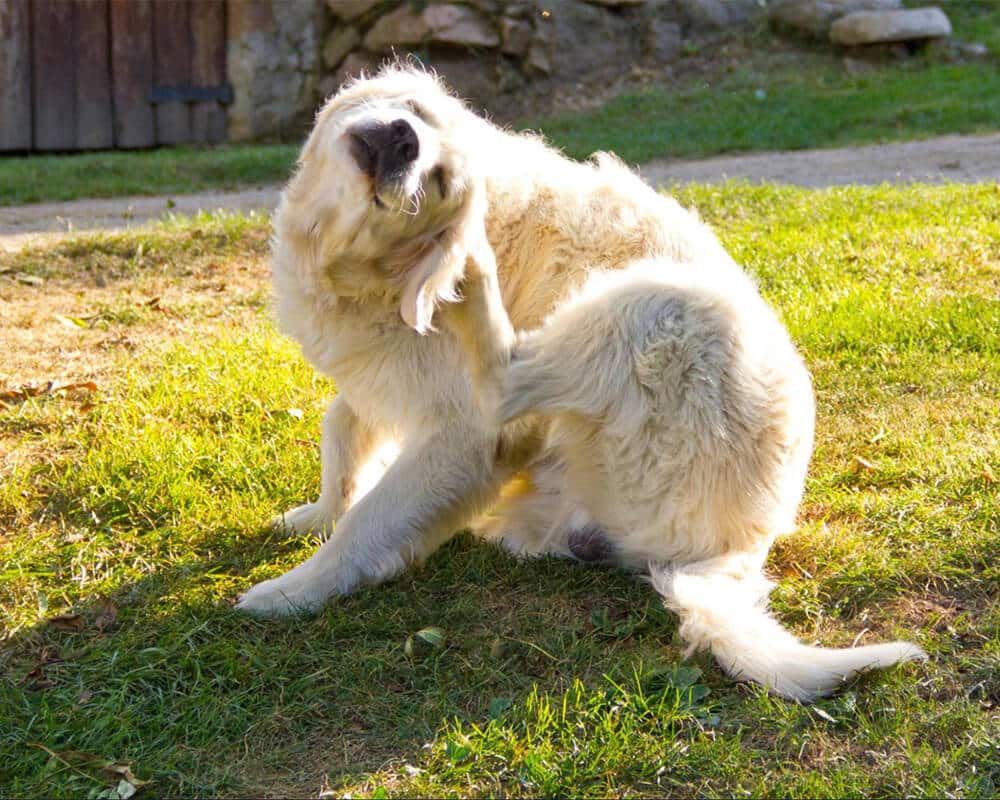
Additional Considerations for Complete Flea Control
Fleas & Tapeworms: The Hidden Link
Fleas can carry tapeworm larvae. Dogs can get infected if they swallow a flea while grooming or scratching.
Signs may include:
- Scooting
- Rice-like segments around the anus or in stool
- Digestive upset
For farm and animal parasite awareness (useful when building broader parasite education), see: Treating for Sheep Measles Tapeworm in New Zealand
Managing the Environment in Severe Infestations
If fleas are established, environmental treatment is often what determines success.
Consider escalating your home-treatment approach if:
- You’re seeing fleas despite treating your dog
- Multiple pets are affected
- The problem returns quickly after treatment
FAQ: Flea Treatment for Dogs in NZ
How do I get rid of fleas on my dog?
Use a vet-approved flea treatment (topical, oral, or long-acting collar) and treat your dog consistently. At the same time, clean your home environment, vacuum, wash bedding, and consider an IGR home treatment in heavier infestations.
Can humans get fleas from dogs?
Humans can be bitten by fleas from pets, especially during active infestations. Fleas prefer furry hosts, but they will bite people and can cause itchy welts. For broader health risks and why flea control matters, read: The Hidden Dangers of Fleas: Health Risks for Dogs and Humans
What kills dog fleas immediately?
Fast-acting options include some oral flea treatments that begin killing fleas within hours and flea shampoos that kill on contact during a bath. However, immediate kill isn’t enough on its own; long-term prevention is needed to stop the life cycle.
What do I do if my dog gets fleas?
Start treatment straight away:
1. Treat your dog with a vet-approved flea product
2. Treat all pets in the household
3. Begin environmental cleaning the same day
4. Continue treatment for long enough to break the flea life cycle
Shop Vet-Approved Flea Treatments at VetPost
Fleas are stubborn, but with the right tools and a consistent plan, you can take control quickly and keep your dog comfortable year-round. At VetPost, you’ll find a range of trusted flea treatments and preventative options, plus pet healthcare essentials to support your dog’s wellbeing at every life stage.
Read More: Helpful Flea & Parasite Guides
If you want to go deeper, these guides will help:
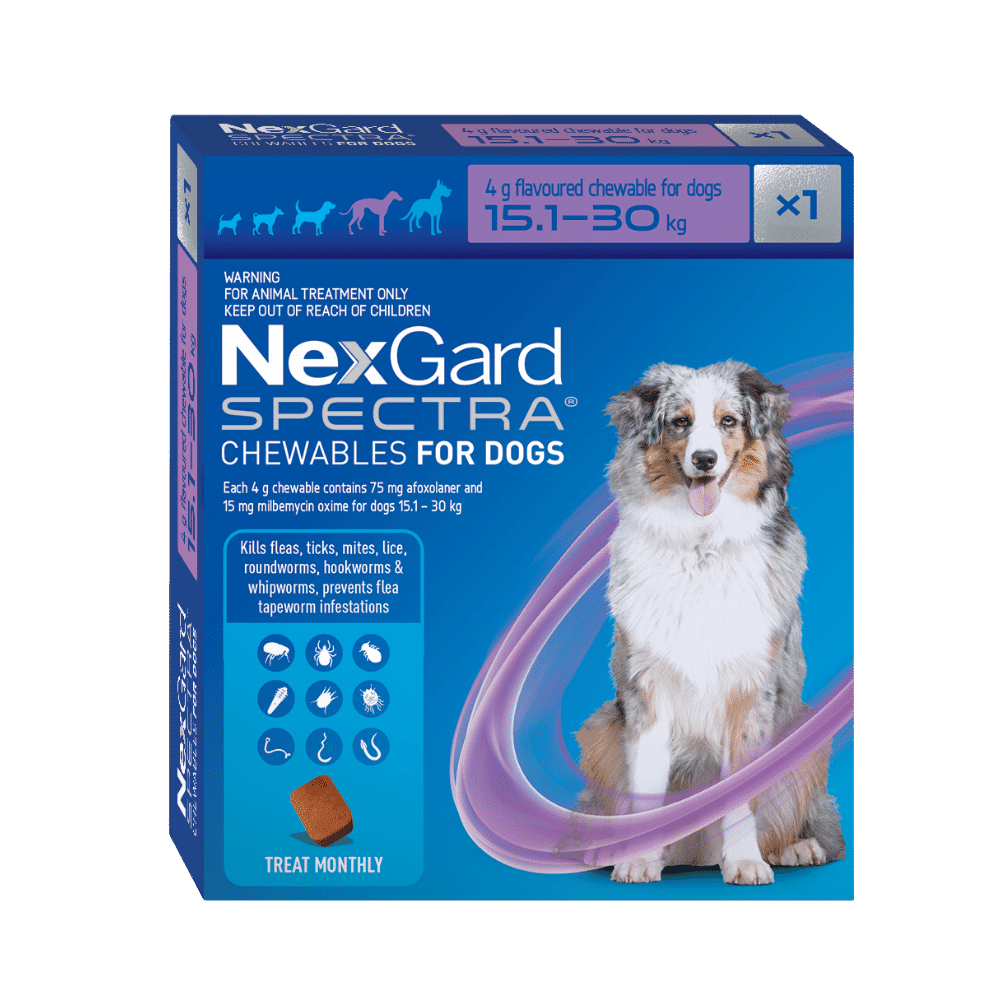
Nexgard Spectra 15.1-30kg Single
$23.17 — available on autoship from $22.47 / week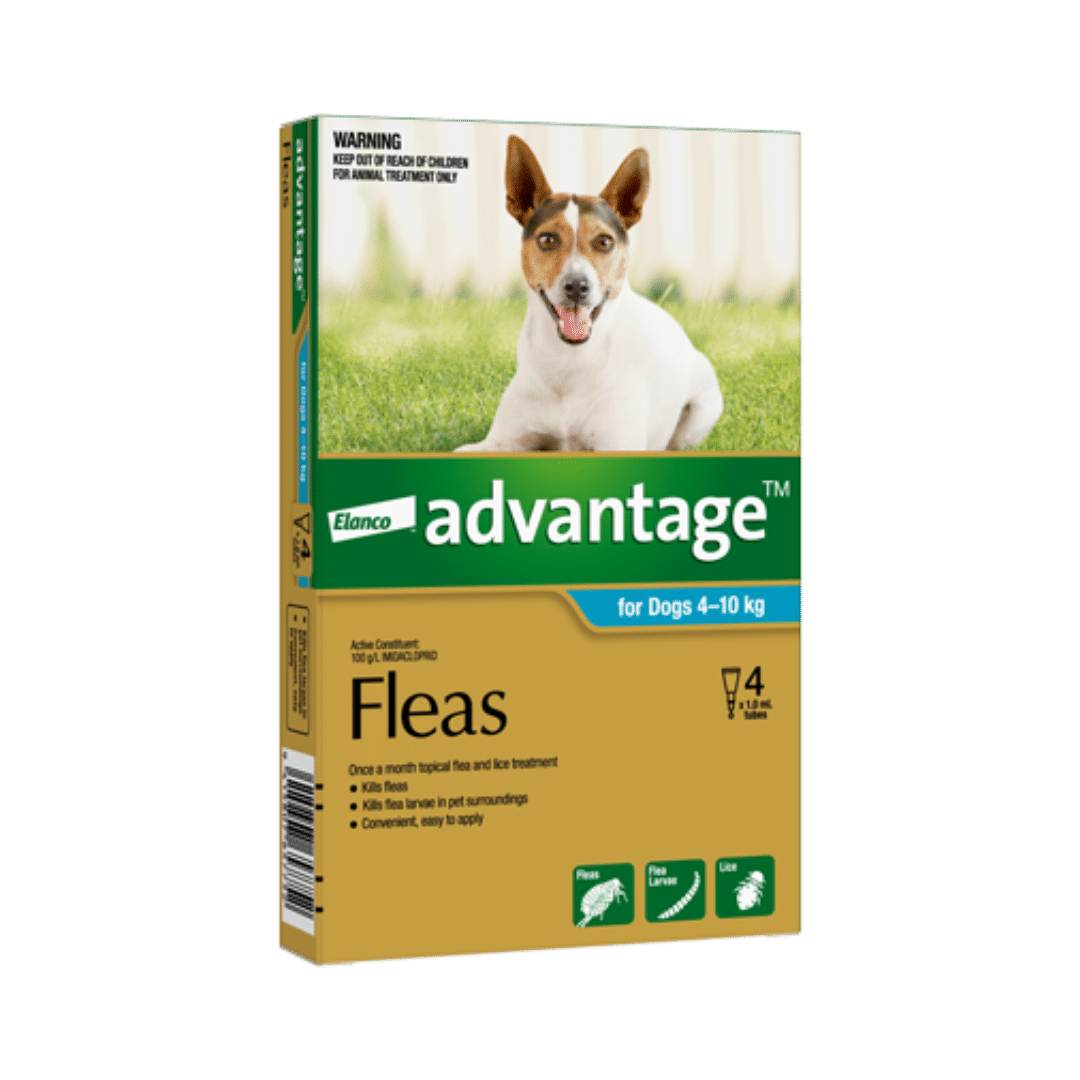
Advantage Spot-On Medium Dogs (4-10kg) 4 Pack
$52.51 — available on autoship from $50.93 / week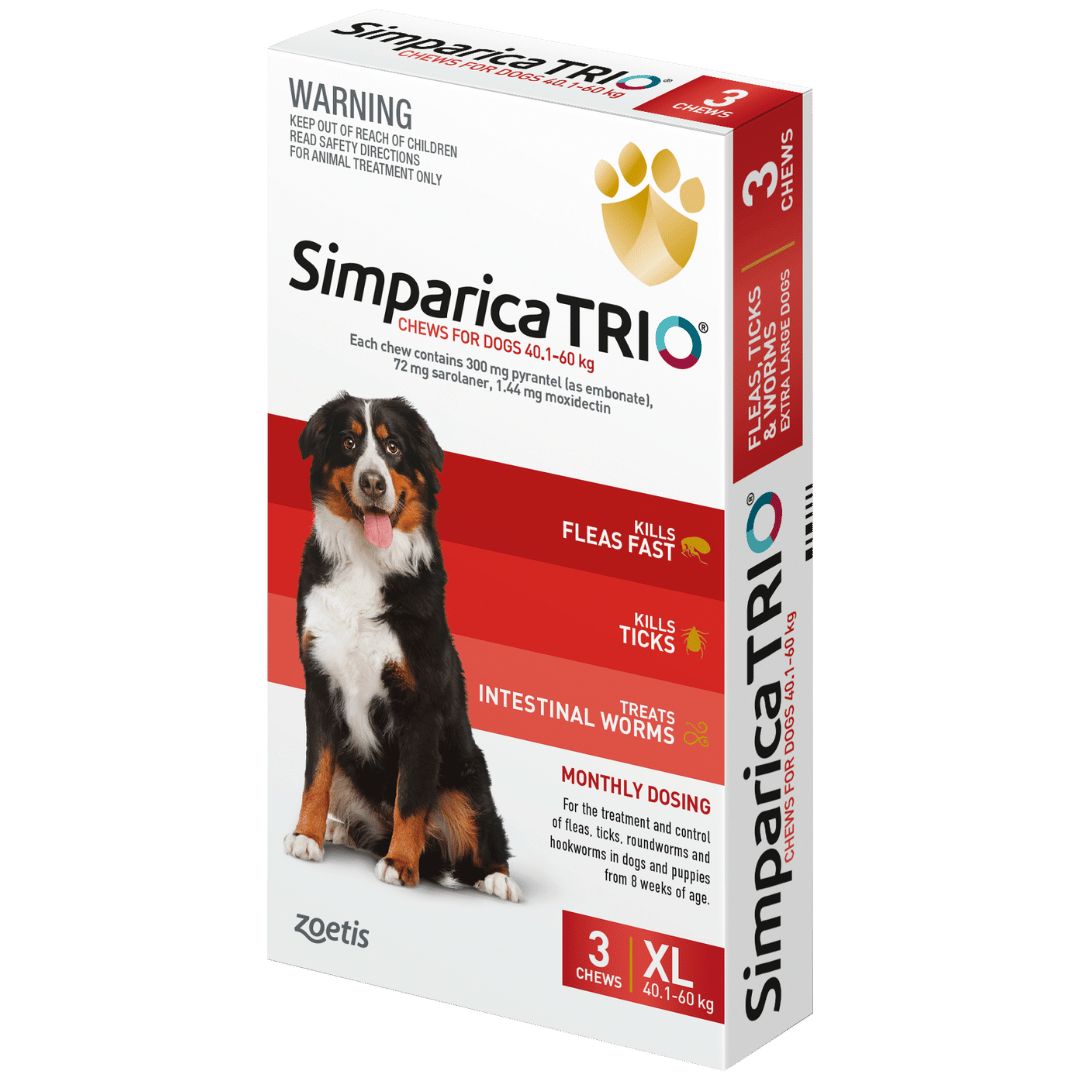
Simparica TRIO X-Large 40.1-60kg 3 Pack
$54.28 — available on autoship from $52.65 / week